
Tensions Escalate as Iran's Nuclear Talks Fail, Leading to Military Action
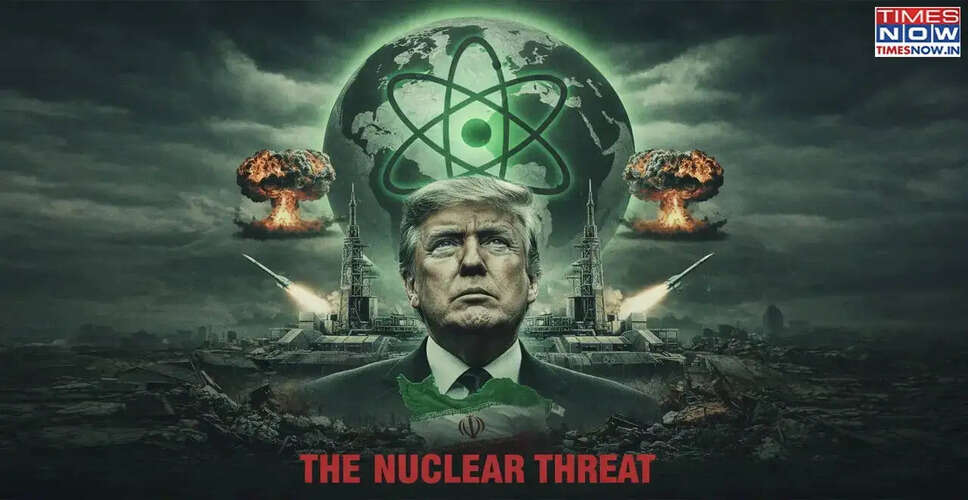
Iran's Stalled Nuclear Negotiations
Recent discussions between Iranian officials and U.S. representatives in Geneva have reportedly been marred by what sources describe as "games, tricks, and stall tactics." This has left President Trump feeling exasperated, according to senior administration officials who spoke anonymously. Just days prior to the joint U.S.-Israeli airstrikes on Iran, Trump dispatched special envoys, including Jared Kushner and Steve Witkoff, for another attempt at negotiations. However, Iran maintained its stance on its uranium enrichment program. While allies in the Middle East and Europe called for patience, the unsuccessful talks solidified Trump's belief that diplomatic efforts had hit a dead end.
Only eight months earlier, Trump had been cautious about adopting a hardline stance against Iran. Although he authorized the deployment of B-2 bombers targeting three Iranian nuclear sites in June 2025 at Israel's request during a 12-day conflict, he remained opposed to any plans to eliminate Supreme Leader Ayatollah Ali Khamenei. Trump had expressed concerns that such an action could further destabilize the already tense region.
However, last week, mounting frustration over prolonged negotiations and Iran's defiance reached a tipping point. Trump had urged Tehran to agree to terms that would permit a civilian nuclear program without weaponization, but Iran appeared resolute in its commitment to continue enrichment. Behind closed doors, U.S. officials began to suspect that Tehran was pursuing enriched uranium for nuclear weapon development.
On February 28, 2026, President Trump authorized a military operation he had previously hesitated to approve—a direct strike against Iran's leadership. Within a day, reports confirmed that Khamenei had been killed in a coordinated U.S.-Israeli military operation. Trump announced the news via social media, while Israel reported the elimination of key Iranian defense officials, including the Defense Minister and the Commander of the Revolutionary Guard (IRGC). Iranian state media corroborated Khamenei's death.
In a post on Truth Social, Trump urged the Iranian populace to reclaim their government, stating, "Khamenei was unable to evade our Intelligence and Highly Sophisticated Tracking Systems, and in collaboration with Israel, there was nothing he or the other leaders could do." He described this moment as a significant opportunity for the Iranian people to take back their country.
Ali Vaez, the Iran project director at the International Crisis Group, commented on the potential ramifications, noting that the fallout could be extensive and unpredictable. He highlighted the tensions between the ruling government, which has maintained power for nearly five decades, and a discontented populace, as well as the strained relations between Iran and its adversaries. Despite the regime's weakened state, the perception that this confrontation is a fight for survival could compel it to utilize every resource at its disposal.