
Tense Moment During Japanese PM's Meeting with Trump Over Pearl Harbor Comment
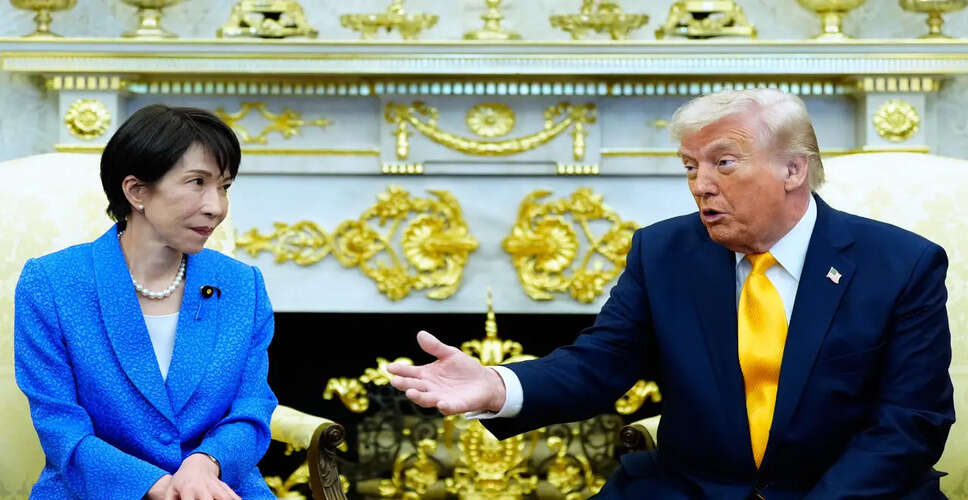
Uncomfortable Exchange in the Oval Office
During a recent meeting in the Oval Office, Japanese Prime Minister Sanae Takaichi experienced an awkward moment when US President Donald Trump made a controversial remark about the Pearl Harbor attack. This incident unfolded as Trump addressed a question regarding the lack of communication with allies, including Japan, prior to recent military actions in Iran. A Japanese journalist brought up the topic during a press conference following the bilateral discussions.
In his defense, Trump explained that the US opted for a surprise approach, stating, "We didn’t tell anybody about it because we wanted surprise." However, the conversation took a surprising turn when he added, "Who knows better about surprise than Japan?" This comment visibly unsettled those present. He then directed a question to Takaichi, saying, "Why didn’t you tell me about Pearl Harbor, ok?"
Q: "Why didn't you tell U.S. allies…about the war before attacking Iran?" President Trump: "We wanted surprise. Who knows better about surprise than Japan? Why didn't you tell me about Pearl Harbor?" pic.twitter.com/esV9iyvMiV
— CSPAN (@cspan) March 19, 2026
Following this remark, the atmosphere in the room reportedly became tense and silent. Trump reiterated his point, stating, "He’s asking me about surprise, and we did," emphasizing that the element of surprise was crucial for the success of the operation. He claimed that the strikes had effectively weakened their targets, suggesting that prior notification to allies could have jeopardized the mission.
Historical Context of Pearl Harbor
What Happened At Pearl Harbor?
The Pearl Harbor attack took place on December 7, 1941, when the Imperial Japanese Navy executed a surprise strike on the US naval base located in Hawaii. The assault commenced around 7:48 AM local time, initiated by a first wave of 183 aircraft, which included fighters, bombers, and torpedo planes. A subsequent wave of 171 aircraft followed approximately an hour later, and the entire operation was completed in under two hours.
The United States faced significant losses, with 2,403 fatalities, including 68 civilians, and 1,178 injuries. On the Japanese side, losses included 29 aircraft, five midget submarines, and 64 personnel killed, with one captured.