
Telegram's Popularity Surges in Russia Despite Government Ban
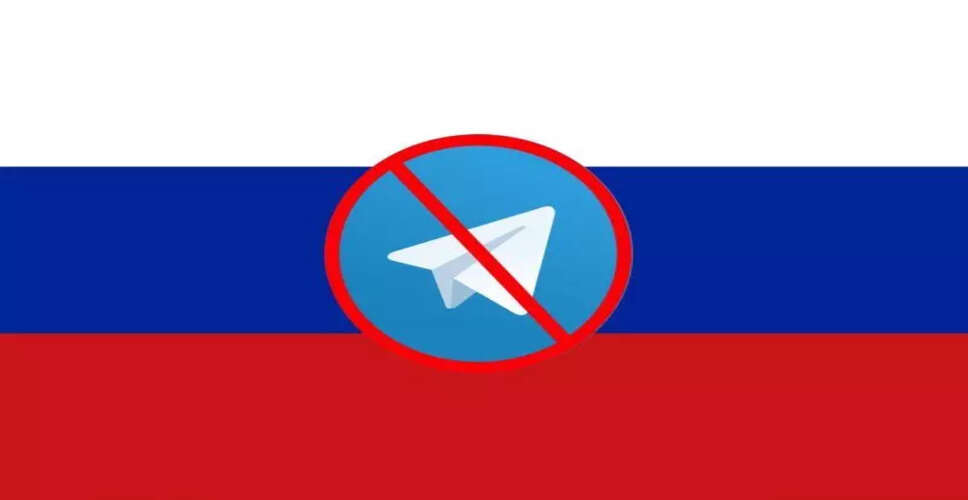
Telegram's Resilience in Russia
Photo: @InfoR00M/X
New Delhi, April 4: Pavel Durov, the founder of Telegram, revealed on Saturday that over 50 million Russians utilize the messaging service daily, despite a government-imposed ban. This situation arose as efforts to restrict virtual private networks (VPNs) led to a temporary collapse of the banking system, leaving cash as the sole payment option.
Durov shared on the social media platform X that more than 50 million users in Russia send at least one message on Telegram each day, with the total number of daily active users reaching 65 million.
He also mentioned that the number of monthly active users could potentially be double that figure.
For years, the Russian government has tried to eliminate access to Telegram and the VPNs that facilitate it. However, Durov noted that these blocking efforts have backfired, resulting in significant disruptions to the nation's banking system.
He pointed out that Iran is experiencing a similar scenario.
Despite the Iranian government's ban on Telegram years ago, the attempt to push users towards state-approved messaging apps led to a surge in VPN usage. Currently, Telegram boasts over 50 million active users in Iran, which Durov collectively refers to as the 'Digital Resistance.'
"In Iran, 50 million members of the 'Digital Resistance' are joined by over 50 million in Russia," Durov stated.
These comments come amid rising tensions between Durov and Russian officials.
In February, Durov disclosed that Russia had initiated a criminal investigation against him for 'aiding terrorism,' which he described as a fabricated excuse to limit Russian access to Telegram and curtail privacy and free speech.
He remarked, "A sad spectacle of a state afraid of its own people," at that time.
Durov also criticized Russia's broader strategy of banning foreign tech platforms to promote local alternatives, labeling the approach as delusional.
He emphasized that successful national super apps like WeChat, KakaoTalk, and LINE were developed through intense private competition, not by eliminating competitors.