
Tehran Residents Advised to Stay Indoors Amid Rising Air Pollution Following US-Israel Strikes
Health Advisory Issued for Tehran Residents
Authorities in Iran have called on the citizens of Tehran to stay indoors and minimize outdoor activities due to a significant increase in air pollution levels. This spike in pollution follows recent airstrikes conducted by the United States and Israel targeting the Iranian capital. Reports from Jin10 indicate that local officials are actively monitoring air quality and have cautioned that conditions may deteriorate further due to pollutants released from damaged industrial sites. Iran's leading environmental agency has recommended that residents refrain from unnecessary outdoor activities until further notice, as harmful particles from the strikes spread throughout the city.
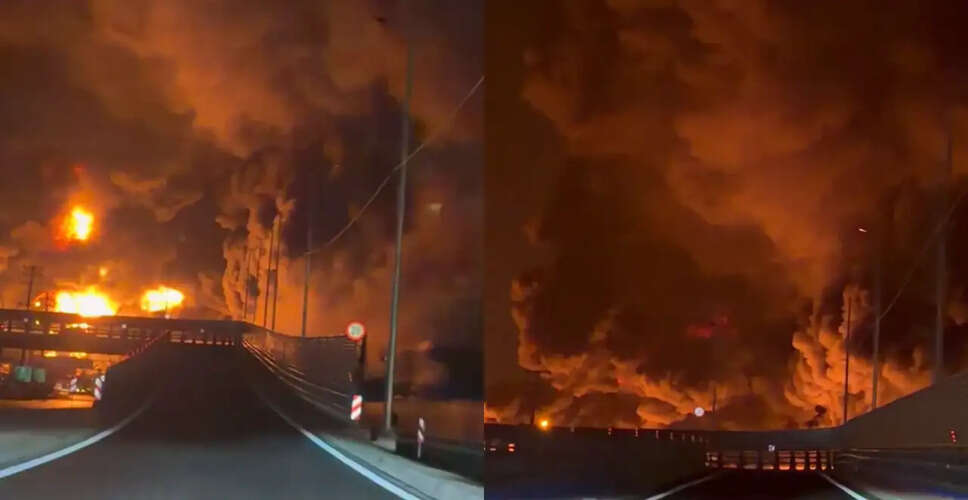
On Sunday morning, a dense cloud of black smoke enveloped parts of Tehran after the strikes impacted an oil depot and refinery. This incident marks a notable escalation, as it is reportedly the first instance of a civilian industrial facility being targeted in the ongoing conflict. The Iranian Red Crescent has also issued warnings about the possibility of acid rain resulting from toxic chemicals released from fuel storage tanks affected during the attacks. Iran's state broadcaster, IRIB, reported that exposure to these chemicals could lead to chemical burns and serious respiratory issues. Authorities have pledged to keep the public informed about the situation and will provide updates if environmental conditions worsen.
Osint613
2030405527272837219
Escalation of Conflict in the Region
Thick Black Smoke Covers Tehran
On the same day, Israel targeted southern Lebanon, Beirut, and an oil storage facility in Tehran as tensions in the Middle East continue to rise. Prime Minister Benjamin Netanyahu has promised 'many surprises' in the next phase of the conflict. Iran retaliated by striking a desalination plant in Bahrain.
The cloud of black smoke that blanketed parts of Tehran on Sunday morning was a direct result of the overnight strikes on the oil depot and refinery. This Israeli attack is significant as it marks the first targeting of a civilian industrial site in the ongoing war. Earlier, Iran's Foreign Minister Abbas Araghchi reported that a US airstrike had damaged an Iranian desalination plant located on Qeshm Island, asserting that the US had set a dangerous precedent with this action. Such infrastructure is vital for providing drinking water in the arid regions of the Gulf.
Since the conflict began on February 28, following joint US-Israeli strikes on Iran, the death toll has reached at least 1,230 in the Islamic Republic, over 300 in Lebanon, and around a dozen in Israel, according to official reports.