
Taliban Conducts Airstrikes Against ISKP Positions in Pakistan
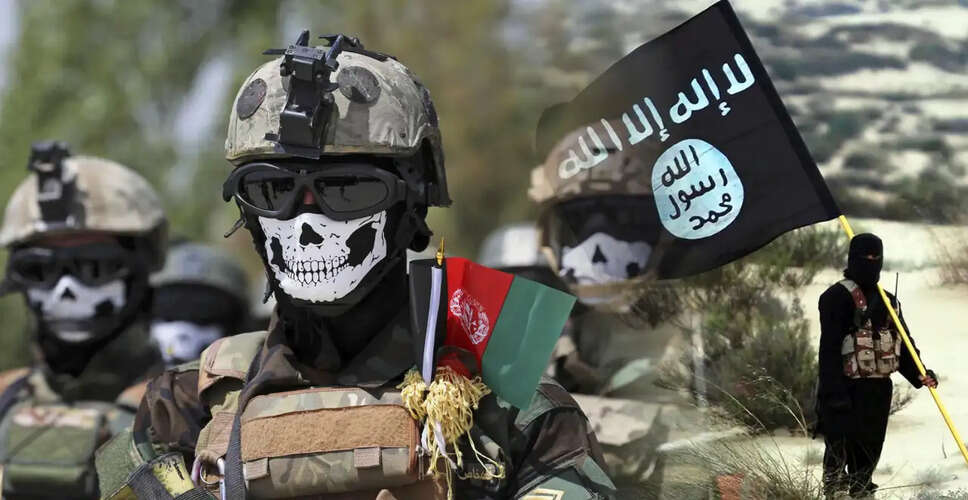

Taliban's Airstrike Operations
The Taliban in Afghanistan has announced that it has executed a series of airstrikes targeting positions of the Islamic State Khorasan Province (ISKP) within Pakistan. This declaration was made by Sadeequllah Nasrat, who serves as the Deputy Spokesperson for the Ministry of Defence and Strategic Communications in Afghanistan. He stated that Taliban air forces conducted strikes on various sites located in Balochistan and Khyber Pakhtunkhwa.
In a statement shared on social media, the Taliban referred to these operations as targeting "centres of evil and corruption" linked to Daesh affiliates. They claimed that these locations were instrumental in planning attacks against Afghanistan, asserting that several previous assaults on Afghan soil had originated from these areas.
تېره شپه د لوی الله جل جلاله په نصرت د اسلامي امارت د دفاع وزارت د هوايي ځواک له لوري د پاکستان په بلوچستان او خیبرپښتونخوا ایالتونو کې د ساعین بالفساد (داعشیانو) او شر و فساد هغه مراکز چې د ځینو شریرو استخباراتي کړيو په مرسته پکې د افغانستان په خاوره بریدونه پلان کېدل او په تېر… pic.twitter.com/EhucTAabPW
— صدیق الله نصرت / Sadeequllah Nasrat (@NasratMOD) June 19, 2026
According to the Taliban's statement, the airstrikes targeted specific locations in the Qilla Abdullah and Chagai districts of Balochistan, as well as a site in the Orakzai district of Khyber Pakhtunkhwa. Officials from the Taliban claimed these sites were operational hubs and transit points for ISKP leaders active near the Afghanistan-Pakistan border.
Details of the Airstrikes
What The Afghan Taliban Claimed
Nasrat elaborated that the strikes were executed by the Air Force of the Islamic Emirate of Afghanistan, targeting facilities purportedly utilized by ISKP, also known as Daesh-Khorasan. He accused unspecified "malicious intelligence agencies" of aiding these networks in planning attacks against Afghanistan.
He mentioned that the strikes occurred in the Gulistan area of Qilla Abdullah and the Shakarbab area of Girdi Jungle in Chagai district. Additionally, another alleged ISKP site in the Kambar Khel area of Orakzai was also targeted. Nasrat asserted that "important and desired targets" were successfully hit during these operations, although the Taliban did not disclose any casualty figures or provide imagery to verify their claims.
The statement further emphasized that Afghanistan would not tolerate threats to its security and would utilize all available resources to thwart future attacks. This rhetoric indicates the Taliban's increasingly assertive security stance since regaining control in Kabul.
Ongoing Threat from ISKP
ISKP Remains A Major Threat To Taliban Rule
The Islamic State Khorasan Province continues to pose a significant security challenge for the Taliban regime. Since the Taliban's takeover in August 2021, ISKP has executed numerous attacks targeting Taliban forces, religious minorities, diplomatic missions, and public events.
Despite the Taliban's claims of dismantling ISKP networks throughout Afghanistan, the group has shown its operational capabilities through ongoing bombings, assassinations, and coordinated assaults. The Taliban frequently alleges that ISKP militants exploit the border regions between Afghanistan and Pakistan to facilitate personnel and resource movement. Conversely, Pakistani authorities have accused militant groups operating from Afghan territory of conducting attacks within Pakistan. These conflicting claims have led to ongoing tensions between Kabul and Islamabad, particularly along the porous Durand Line border.