
Supreme Court's Environmental Rulings Draw Criticism from Retired Officials
Concerns Over Supreme Court Decisions
A collective of 79 retired civil servants and diplomats has expressed serious concerns regarding three recent rulings by the Supreme Court that they believe undermine environmental protection and threaten public welfare. In an open letter released on Sunday, the group, known as the Constitutional Conduct Group, urged the court to prioritize the well-being of citizens over corporate interests.
The signatories conveyed their “deep anguish” over the Supreme Court's decision to overturn a previous ruling that prohibited retrospective environmental clearances for development projects. They also criticized a new definition of the Aravalli Hills and a ruling that prevents the government from disbanding the Central Empowered Committee without the court's consent.
The former officials warned that these decisions could signal the deterioration of constitutional safeguards designed to protect India's natural environment and the rights of its citizens.
Retrospective Clearances Reinstated
Retrospective Clearances
In May, a two-judge panel of the Supreme Court had prohibited the Union government from issuing ex post facto clearances to legitimize illegal constructions. However, on November 18, a three-judge panel reversed this decision with a 2:1 vote, allowing the government to reconsider granting retrospective environmental clearances.
The retired officials expressed uncertainty about when a larger bench of the court will review the case but expressed hope that it will reaffirm the May ruling “sooner rather than later.”
They emphasized that the alarming climate events and severe air pollution levels in regions like Delhi-NCR should prompt the Supreme Court to expedite the hearing.
New Definition of the Aravallis
Definition of Aravallis
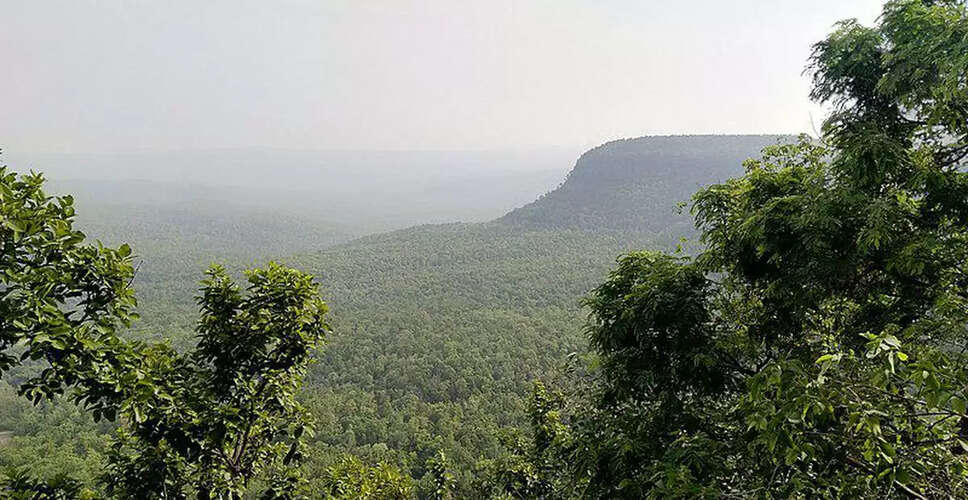
On November 20, the Supreme Court accepted a revised definition of the Aravalli Hills, categorizing them as landforms that rise 100 meters above local relief. Environmental advocates have raised alarms that this narrow definition could leave many ecologically significant lower hills vulnerable to mining and development.
The letter's signatories highlighted the Aravalli range's role as a natural barrier that mitigates the spread of the Thar desert, stabilizes micro-climates, and replenishes aquifers.
They warned that the new definition could exclude over 90% of the Aravalli range from environmental protections, thereby facilitating mining and construction activities that would exacerbate desertification in the Delhi-NCR area.
Additionally, they noted that this change could disrupt wildlife habitats and fragment corridors essential for species like leopards and hyenas.
In response to these concerns, the Supreme Court has taken suo motu cognizance of the issue, with a vacation bench scheduled to address it on Monday.
Central Empowered Committee's Future
Composition of Central Empowered Committee
The third ruling highlighted by the retired officials pertains to the Supreme Court's directive that the Union government must not dissolve the Central Empowered Committee, which monitors compliance with environmental conservation mandates, without court approval.
The former bureaucrats criticized the current composition of the committee, established by the Supreme Court in 2002, for allegedly endorsing numerous environmentally detrimental actions and orders from the government.
They claimed that the committee has become influenced by the Union environment ministry, supporting government initiatives regardless of their environmental impact.
Furthermore, they pointed out that a member of the committee was involved in the Expert Committee that defined the Aravallis based on their height above base level.