
Supreme Court Decision Threatens Protections for Immigrants from Haiti and Syria

Supreme Court Ruling on Immigration Protections
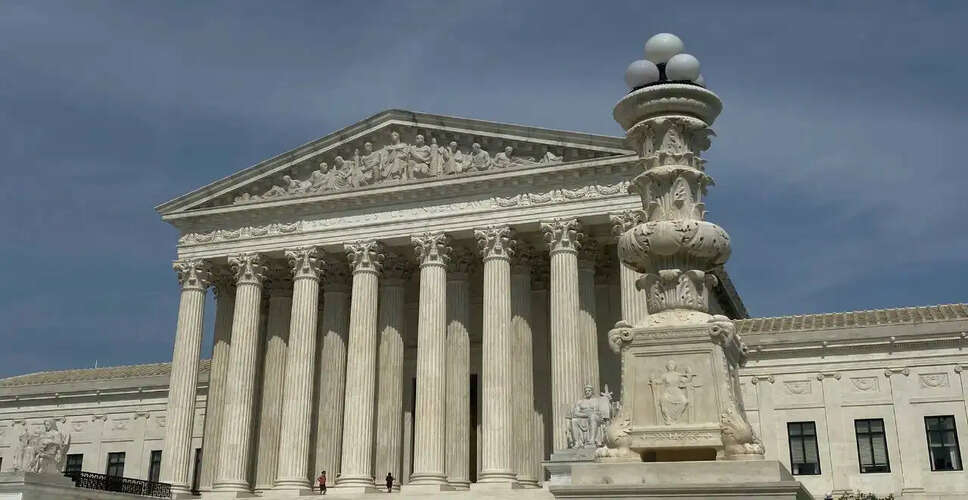
On Thursday, the Supreme Court delivered a ruling that supports the Trump administration's initiative to eliminate humanitarian protections, impacting many immigrants from Haiti and Syria who have been allowed to reside and work in the United States. The program in question, known as Temporary Protected Status (TPS), was established in 1990 with bipartisan support to provide legal status to individuals from nations experiencing war, natural disasters, or other emergencies. The court's decision, which passed with a 6-3 vote, reflects a division among justices based on ideological lines and raises the possibility of deporting approximately 350,000 Haitians and 6,100 Syrians, with implications for TPS holders from several other nations as well.
Implications for Affected Individuals
The speed at which the government can initiate deportations for those previously protected under TPS largely depends on whether these individuals have existing deportation orders. According to a report, many TPS holders currently lack such orders, providing them with some leverage to contest their removal from the U.S.
Judicial Reasoning Behind the Decision
Justice Samuel A. Alito Jr., who authored the majority opinion, stated that federal law does not permit courts to challenge an administration's decisions regarding TPS. He characterized the law's language as clear and expansive. The court also rejected claims that the administration's actions were motivated by racial bias against Haitian immigrants.
Dissenting Opinions
The three liberal justices expressed their disagreement with the ruling. Justice Elena Kagan's dissent emphasized previous remarks made by Trump regarding Haitian immigrants, suggesting that these comments indicated a racial component to the administration's push for their removal.
A Shift in Immigration Policy
Since taking office last year, the Trump administration has sought to terminate TPS for individuals from 13 of the 17 countries that were designated for the program when President Biden left office. In addition to TPS, the administration has halted refugee resettlement and significantly delayed the processing of asylum claims, making it increasingly difficult for individuals fleeing conflict or danger to find refuge in the U.S.
Understanding Temporary Protected Status
The authority to designate countries for TPS rests with the Secretary of Homeland Security, who can grant protections for periods ranging from six to 18 months. There is no limit on the number of times a designation can be renewed. The law allows the secretary to periodically review these protections and either extend or terminate them, but requires consultation with other federal agencies, including the State Department, regarding the conditions in the designated countries. Over time, the program had been extended repeatedly, becoming nearly permanent for individuals from Haiti, Syria, and other nations facing prolonged crises. However, this changed last year when Kristi Noem, then Secretary of Homeland Security, initiated steps to revoke protections for several countries.