
Supreme Court Blocks Trump Administration's Transgender Medical Policy in Prisons
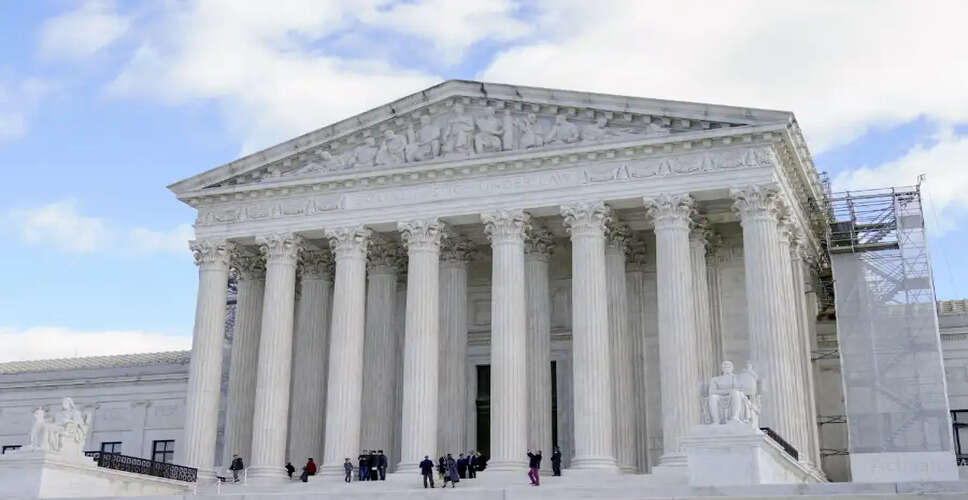

Supreme Court Decision on Transgender Inmate Care
Washington: On Wednesday, the Supreme Court declined to permit the Trump administration to swiftly implement new medical guidelines affecting transgender individuals in correctional facilities.
This ruling maintains a lower court's injunction against the policy, which was established following an executive order from former President Donald Trump, who has made various efforts to diminish transgender rights during his presidency.
Justices Samuel Alito and Clarence Thomas expressed their support for allowing the policy to take effect.
Previously, the Supreme Court has permitted other regulations concerning transgender individuals, such as limitations on military service and the designation of sex on passports.
Trump's directive instructed the Bureau of Prisons to amend its medical care protocols to prevent federal funding from being used to alter an inmate's appearance to match that of the opposite gender.
The proposed policy would cease surgeries, reduce hormone treatments, and eliminate social provisions like makeup and wigs, although mental health services would still be available.
Legal representatives for transgender inmates contested the policy in court, leading US District Judge Royce Lamberth to mandate the continuation of treatments. Judge Lamberth, appointed by President Ronald Reagan, emphasized that neglecting gender dysphoria could lead to severe consequences, including depression, anxiety, and suicidal ideation.
The Trump administration contested this ruling, citing security concerns related to the treatments, which they argued could no longer be justified. However, a split panel from the appeals court upheld the lower court's order.
According to court documents, approximately 600 inmates were undergoing hormone therapy as of 2025. Their attorneys argued that discontinuing care would have detrimental effects on both their physical and mental well-being. They also noted that the government had not provided any substantial evidence linking hormone therapy to security issues over the past three decades.
The conservative-leaning Supreme Court has previously supported state laws that prohibit certain medical treatments for transgender minors and imposed restrictions on transgender athletes participating in women's sports.