
Stranded Vessels in Persian Gulf Amid Ongoing Iran Conflict

Significant Disruption in Shipping Routes
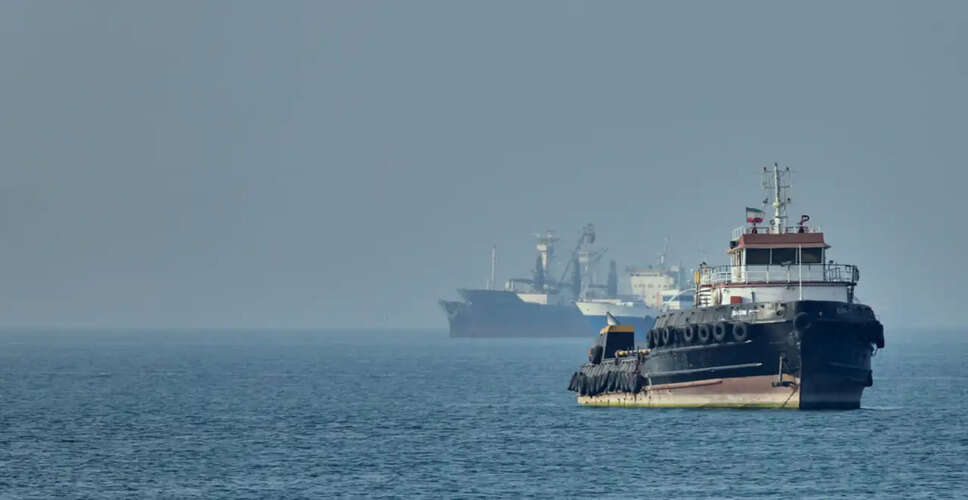
Over 500 commercial ships and around 11,000 sailors are currently stuck in the Persian Gulf due to the ongoing conflict involving Iran, which has severely impacted one of the globe's vital shipping lanes. As the war enters its 15th week, shipowners, crews, and international businesses are increasingly anxious about the safety of the Strait of Hormuz, leaving numerous vessels unable to navigate freely.
Challenges Faced by Sailors
Industry representatives report that the extended standoff is significantly affecting seafarers who are stranded on ships in the area. Many crew members are experiencing shortages of fresh food and drinking water, while the constant news of nearby attacks has increased their psychological stress. The availability of modern communication technology has made the situation even more difficult, as sailors can receive real-time updates on military actions while witnessing explosions from their vessels.
Rising Risks from Attacks
Reports indicate that numerous attacks on commercial shipping have taken place in and around the Strait of Hormuz since the conflict began. Several merchant ships have sustained damage, and multiple seafarers have tragically lost their lives. Although there have been occasional hopes for a ceasefire or diplomatic resolution, shipping companies remain wary about resuming normal operations without clear assurances of safe passage.
Economic Implications
The ongoing disruption is leading to significant financial difficulties for shipping companies. War-risk insurance premiums have skyrocketed, with some operators facing costs in the millions to transport vessels through the region. Perishable goods are spoiling, delivery timelines are being affected, and global supply chains are experiencing delays in oil, energy products, and consumer goods. While some firms have profited from increased freight rates and longer shipping routes, executives caution that the uncertainty in the Gulf poses a serious threat to international trade.
Long-Term Solutions Needed
Shipping industry leaders are increasingly convinced that even a peace agreement may not fully restore confidence in the region. Concerns about future disruptions have led to calls for alternative trade routes and long-term strategies to lessen dependence on the Strait of Hormuz. Some industry experts have proposed that regulated transit fees might be a better option than ongoing closures and rising insurance costs, provided they ensure safe navigation.
Global Trade at Risk
The Strait of Hormuz is a crucial maritime chokepoint, responsible for a significant portion of global oil and gas exports. Any extended disruption poses a threat to energy markets, supply chains, and economic stability well beyond the Middle East. For the time being, shipowners and crews are faced with a tough decision: stay anchored and wait for conditions to improve or risk navigating one of the world's most perilous waterways amid an active conflict.