
Strait of Hormuz: A Crucial Geopolitical Flashpoint Amid Rising Tensions
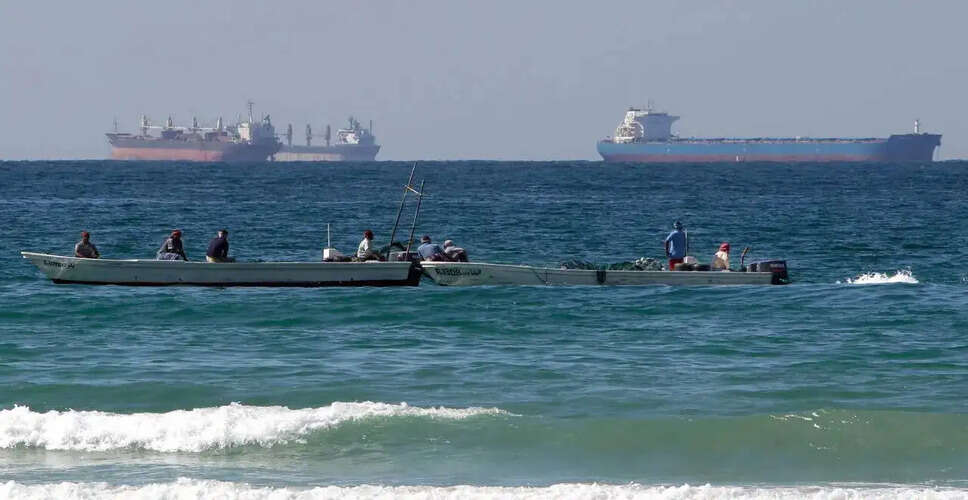

Tehran's Strategic Maneuvers in the Strait of Hormuz
Tehran: The Strait of Hormuz, a vital passage for global oil transportation, has become a significant point of contention in the ongoing disputes involving Iran, the United States, and Israel. This narrow channel, linking the Persian Gulf to the Indian Ocean, is now central to an escalating geopolitical and economic crisis that poses risks to global energy stability. Recent weeks have seen maritime traffic through this strait severely affected, raising alarms about potential supply disruptions and heightened regional tensions.
Impact on Shipping Amid Rising Conflict
As hostilities have intensified, Iran has implemented measures that have adversely affected commercial shipping in the Strait of Hormuz. Reports indicate that Iranian forces have either warned or targeted vessels in the area, leading to a notable decrease in tanker movements through this crucial route. The strait, which is merely 34 kilometers wide at its narrowest point between Iran and Oman, is responsible for nearly 20% of the world's oil supply, along with essential goods like fertilizers and petrochemicals.
Iran's Push for Control Over the Strait
Tehran is advocating for a significant change in the governance of the strait. Reports suggest that Iran seeks to include terms in any long-term agreements with the United States and Israel that would grant it de facto control over transit and the ability to impose fees on vessels navigating through the waterway. These proposed charges could vary based on cargo type, vessel size, and other operational factors. Iranian Deputy Foreign Minister Kazem Gharibabdi has also mentioned that Tehran is collaborating with Oman on a framework that would require ships to secure permits for passage through the strait. However, Oman has reportedly indicated that no such plans are currently in place.
Exploration of Fees and Payment Alternatives
There are indications that Iran may already be testing such fee structures. A report from a financial publication suggests that Tehran is contemplating a charge of around $1 per barrel of oil transported through the strait. Additionally, Iranian authorities are reportedly looking into the possibility of collecting these payments via cryptocurrency, although specifics remain vague. Some media outlets have also claimed that certain shipping companies may have made isolated payments to ensure safe passage, though these assertions have not been independently verified.
Legal Implications Under International Law
The proposals from Iran have ignited considerable legal discussions. The Strait of Hormuz is governed by the United Nations Convention on the Law of the Sea (UNCLOS), which guarantees the right to transit passage through international straits. Under UNCLOS, countries bordering such straits cannot impose fees solely for allowing ships to pass; they can only charge for specific services like navigation assistance, and these must be applied uniformly. Legal experts warn that any attempt to introduce mandatory transit tolls would likely encounter strong opposition from the international community.
Comparison with Canal Systems
Iran's reported proposals have drawn parallels with major global canals such as the Suez and Panama Canals, which do charge transit fees. However, these are artificial waterways managed by individual nations, unlike natural straits like Hormuz, where international law guarantees free navigation. Similarly, the Turkish Straits operate under the Montreux Convention, which permits limited service-related charges while ensuring free passage for merchant vessels.
Regional Responses to Iran's Position
Countries in the Gulf region have expressed concern regarding Iran's stance. Reports indicate that the United Arab Emirates has stated that the Strait of Hormuz “cannot be held hostage by any country” and emphasized the necessity of preserving freedom of navigation. Qatar has also asserted that all nations should have the right to freely use the strait, suggesting that discussions about any financial mechanisms should only occur after stability is restored. The United States has echoed these sentiments, with President Trump asserting that unrestricted oil flow through the strait must be a fundamental aspect of any peace agreement.
High Stakes and Uncertain Outcomes
Despite increasing international pressure, the future remains uncertain. Analysts caution that enforcing or contesting Iran's proposed system could escalate tensions in an already volatile region. Securing the strait militarily would be complex and fraught with risks, involving operations along Iran’s heavily fortified coastline, where forces could target vessels from inland positions. With global energy markets on edge, the Strait of Hormuz remains at the center of a high-stakes geopolitical confrontation, with no clear resolution in sight.