
Sri Lanka Rescues Injured Sailors from Sinking Iranian Warship Amid Rising Tensions
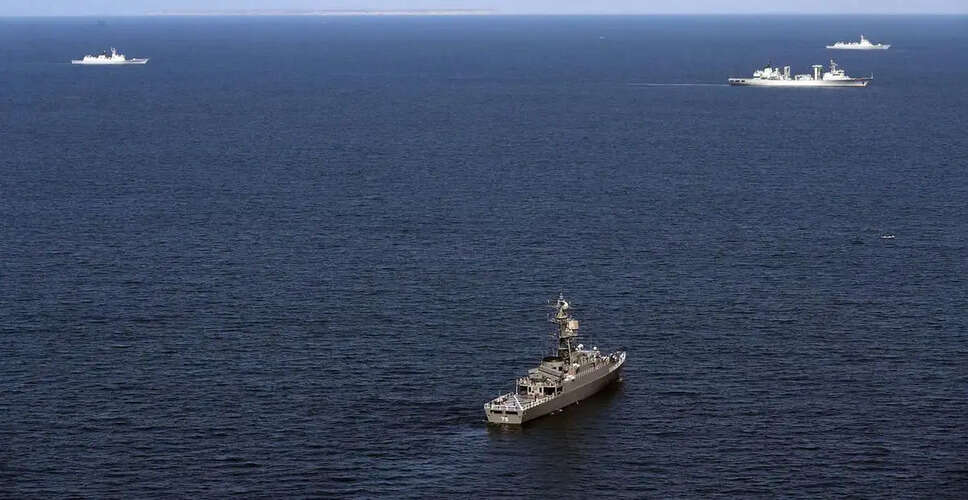

Rescue Operation for Injured Sailors
On Wednesday, Sri Lanka successfully rescued 32 sailors who were critically injured after an explosion caused the Iranian frigate IRIS Dena to sink approximately 40 kilometers off the coast of the island nation, as reported by the Sri Lankan Foreign Minister, Vijitha Herath.
The exact cause of the explosion that led to the sinking of the warship, which has a crew capacity of 180, remains unclear. A Sri Lankan official indicated that efforts to locate the remaining crew members are ongoing, but their status is currently unknown.
During a session in Parliament, Herath mentioned that two vessels from the Sri Lankan Navy and an aircraft were dispatched to assist in the rescue efforts.
Concerns Over Possible Bombing
An opposition member raised concerns regarding the possibility that the warship was targeted in connection with the ongoing military actions by the United States and Israel against Iran. However, the government has not provided a response to this inquiry.
This incident follows a joint operation launched by Israel and the US against Iran, citing that the Iranian regime poses an existential threat to Israel, with Washington acting as a security guarantor for Israel.
Escalating Regional Tensions
The military actions have intensified amid rising tensions surrounding Iran's nuclear program, with Israel alleging that Iran is nearing the capability to develop a nuclear weapon, which could disrupt the regional security landscape. Iran, on the other hand, insists that its nuclear endeavors are solely for peaceful purposes.
In retaliation, Iran has targeted US and Israeli military bases in the region, as well as major cities in Gulf countries and various vessels.
The situation escalated further following the reported death of Iranian Supreme Leader Ayatollah Ali Khamenei during the attacks, a significant loss for Shia Muslims worldwide. Khamenei had been a dominant figure in Iranian politics and military since 1989.
Casualties from the Conflict
On Tuesday, the Iranian Red Crescent reported that the death toll in Iran had risen to 787 since the onset of attacks by the US and Israel.
Additionally, India's Directorate General of Shipping confirmed the deaths of three Indian seafarers and injuries to one more amid the ongoing conflict in West Asia, although specific details regarding the incidents were not disclosed.