
Sri Lanka Faces Fuel Crisis: Government Urges Energy Conservation Amid Price Hikes
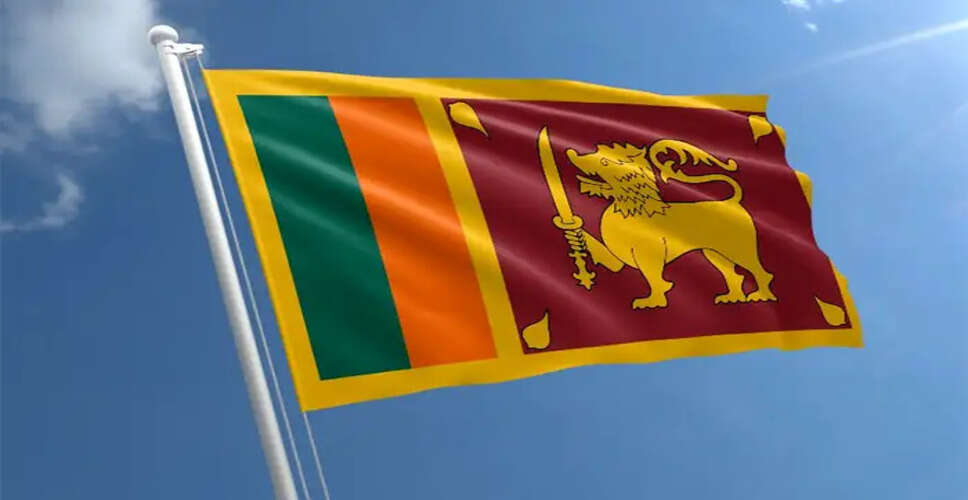
Sri Lanka's Urgent Call for Energy Conservation
Colombo: On Sunday, the Sri Lankan government appealed to citizens to conserve fuel and electricity in light of potential shortages caused by fluctuating global oil prices.
This announcement followed a midnight increase in fuel retail prices, marking the second rise within a week.
To manage fuel distribution, the government has implemented a rationing system based on QR codes assigned to each vehicle.
Government spokesperson and minister Nalinda Jayatissa emphasized the importance of mindful consumption, urging the public to minimize energy use.
He also cautioned against hoarding fuel and requested reports on any such activities.
This warning comes amid ongoing tensions in Iran, where conflicts with the US and Israel have resulted in the closure of the Strait of Hormuz, a critical passage for global energy supplies.
With the recent price increases, fuel costs are expected to revert to levels seen during the 2022 economic crisis, which led to Sri Lanka's first-ever sovereign default since its independence in 1948.
The severe financial turmoil prompted the resignation of then-president Gotabaya Rajapaksa amid widespread protests.
Jayatissa noted that despite the hikes, the government continues to subsidize fuel, incurring a monthly expense of Rs 20 billion, providing Rs 100 per litre for diesel and Rs 20 per litre for petrol.
Without these adjustments, the government would face an additional financial burden of around USD 1.5 billion.
Since February 28, the US and Israel have initiated a significant military operation against Iran, which has escalated tensions across the Gulf region, impacting maritime traffic in the Strait of Hormuz, vital for global crude and oil supply chains.