
Speculation Grows Over Pakistan's Role in US-Iran Mediation Efforts
Pakistan's Offer to Mediate
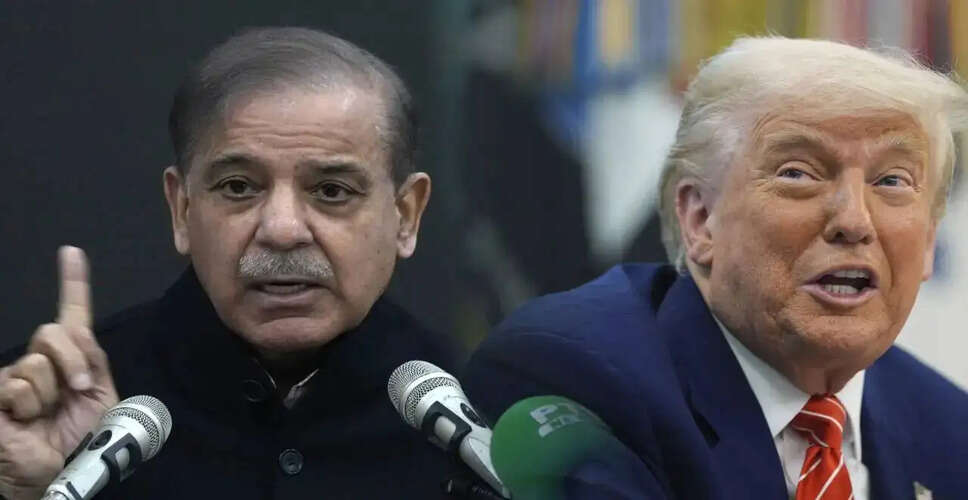
On Tuesday, US President Donald Trump ignited discussions regarding Pakistan's potential role as a mediator between Washington and Tehran. This came after he shared a post from Pakistan's Prime Minister Shehbaz Sharif, who indicated Islamabad's readiness to host negotiations aimed at resolving the ongoing conflict. In his message on X, Sharif expressed that Pakistan is "ready and honoured" to facilitate "meaningful and conclusive talks" between the two nations, contingent upon mutual agreement.
Sharif emphasized, "Pakistan welcomes and fully supports ongoing efforts to pursue dialogue to end the war in the Middle East, in the interest of regional and global peace and stability." He reiterated that Pakistan stands prepared to host discussions that could lead to a comprehensive resolution of the conflict.
Donald J. Trump Truth Social Post 10:46 AM EST 03.24.26 pic.twitter.com/UNLDseZir6
— Commentary Donald J. Trump Posts From Truth Social (@TrumpDailyPosts) March 24, 2026
Trump's sharing of Sharif’s post on his Truth Social account, without any additional commentary, has led to renewed speculation about possible backchannel diplomacy involving Pakistan. This comes amid reports that Pakistan, alongside Egypt and Turkiye, has been quietly working to facilitate peace talks in the Middle East. According to a report from a regional media outlet, these countries are attempting to arrange US-Iran discussions in Islamabad, potentially within a matter of days. Pakistan is positioning itself as a neutral ground, leveraging its relationships with both the US and Iran.
A senior Israeli official has confirmed that "contacts are underway" to organize a meeting with high-level representatives from both nations. Reports indicate that Pakistan’s army chief, Asim Munir, has had discussions with Trump, while Sharif has engaged in multiple talks with Iranian President Masoud Pezeshkian.
US Administration's Cautious Stance
US Response
Despite the increasing speculation, the White House has urged caution, clarifying that no formal meeting has been confirmed. Press Secretary Karoline Leavitt described the situation as "sensitive" and "fluid," cautioning against treating media reports as definitive. "These are sensitive diplomatic discussions, and the US will not negotiate through the press. This is a fluid situation and speculation about meetings should not be treated as final until formally announced by the White House," she stated.
There has been no official confirmation regarding reports that senior US officials, including Vice President JD Vance and envoy Steve Witkoff, may meet with Iranian representatives in Islamabad. However, it appears that indirect communication channels are active. Reports suggest that Pakistan has been facilitating messages between the US and Iran, with Washington allegedly conveying a list of 15 demands to Tehran through Pakistani intermediaries. Pakistani intelligence officials have reportedly been in contact with US envoy Steve Witkoff and Jared Kushner.
This diplomatic initiative follows Trump’s recent announcement that the US would pause planned strikes on Iran’s energy infrastructure for five days, following what he described as "very good and productive conversations" with Tehran. Trump also mentioned that the US is in contact with a "top person" in Iran, although he did not reveal their identity. Tehran, however, maintains that it has not engaged in direct negotiations with Washington since the conflict began.