
South Asian Nations Implement Energy-Saving Measures Amid Ongoing Iran Conflict
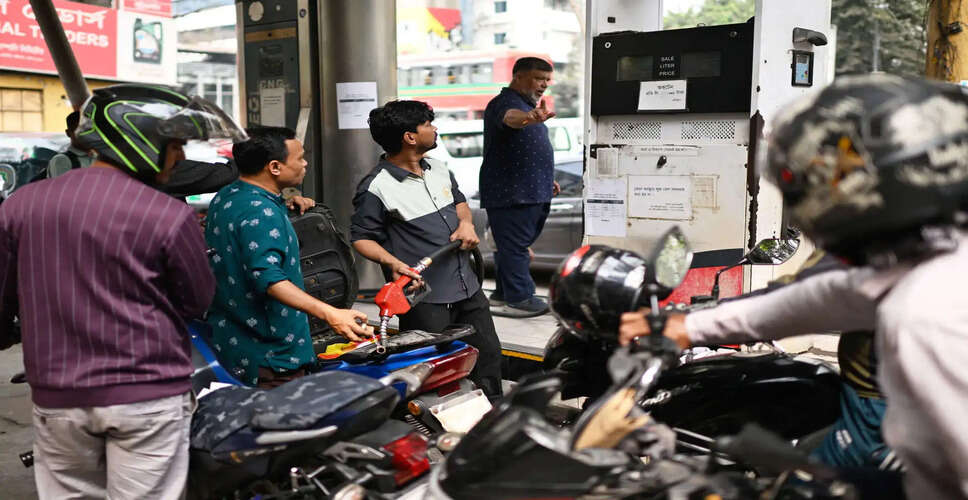
Energy Consumption Reduction Initiatives
In response to the ongoing conflict in Iran, which has significantly impacted global energy supplies, several neighboring countries of India, including Pakistan, Sri Lanka, Bangladesh, and Nepal, have introduced measures aimed at curbing fuel and energy usage. The conflict escalated on February 28, following military strikes by the US and Israel that resulted in the death of Iran's Supreme Leader, Ayatollah Ali Khamenei, prompting retaliatory actions from Tehran across West Asia and Israel.
Nepal Implements Two-Day Weekend
On Sunday, Nepal's government declared a two-day weekend for public offices and educational institutions due to a fuel supply shortage. The Council of Ministers convened at the Singhdurbar Secretariat and decided to designate both Saturday and Sunday as holidays, a change from the previous single holiday on Saturday. Government spokesperson Sasmit Pokharel confirmed that this new schedule would take effect from Monday, April 6, with office hours set from 9 AM to 5 PM.
Bangladesh Adjusts Office Hours and Closes Malls
Last week, Bangladesh announced a series of austerity measures to address its energy crisis, including a reduction in office hours and early closures for markets. All government and private offices are now required to operate from 9 AM to 4 PM, with banks providing customer services until 3 PM. Additionally, all markets and shops must close by 6 PM, although essential services like pharmacies and food outlets are exempt from this rule.
Sri Lanka Adopts Four-Day Work Week
Earlier this month, Sri Lanka transitioned to a four-day work week, designating Wednesdays as a holiday for public institutions, schools, and universities, while essential services remain unaffected. The decision to choose Wednesday instead of Friday was made to avoid consecutive three-day closures of government offices. Furthermore, the country has introduced a 'fuel quota' system, requiring motorists to register for a National Fuel Pass to limit fuel purchases.
Pakistan Faces Fuel Price Surge
In Pakistan, the government faced backlash after raising petrol prices by 42.7% to 485 rupees per liter, leading to protests and long lines at gas stations. Subsequently, Prime Minister Shehbaz Sharif reversed the increase, lowering the price to 378 rupees per liter, while diesel prices remain unchanged at 520 rupees per liter following a 54.9% hike. To alleviate the situation, the government announced that public transport in Islamabad would be free for the next month, as stated by Interior Minister Mohsin Naqvi. Additionally, the chief minister of Punjab province has also waived travel costs for state-run transport and introduced targeted subsidies for trucks and buses. Maryam Nawaz Sharif urged transport operators to avoid passing on increased costs to passengers, promising relief as conditions improve. In Karachi, the Sindh provincial government has announced similar subsidies for motorcyclists and small farmers.
Other Asian nations, such as Thailand, have encouraged citizens to wear lighter clothing to reduce air conditioning use, while in the Philippines, some government offices have mandated remote work at least once a week.
(With agency inputs)