
Sophisticated Theft of Agricultural Drones Raises Security Concerns

Intricate Theft of Drones in New Jersey
On March 24, a man impersonating a delivery driver successfully stole 15 large agricultural drones from CAC International, a shipping and logistics firm located in Harrison, New Jersey. This was not a typical theft; the perpetrator was well-prepared. He presented a forged bill of lading at the pickup location, supported by a fake confirmation email that had already been sent to CAC International, leaving the company unsuspecting. By the time the theft was discovered, the drones had vanished. According to The High Side, a national security newsletter that first reported the incident, this operation is among the most sophisticated cargo thefts that federal authorities have encountered in recent times. A source familiar with the investigation indicated that the meticulous planning involved has raised alarms within law enforcement agencies. "This was one of the most highly sophisticated thefts [the FBI] have seen in a long time, which is the main thing that has them so spooked," the source stated.
The Threat Posed by the Stolen Drones
What Makes These Drones So Dangerous
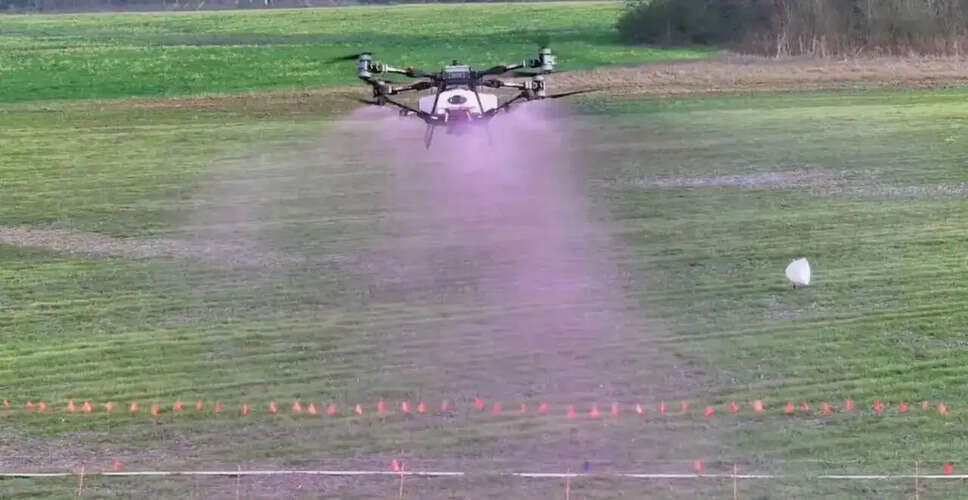
The stolen drones are Ceres Air C31 models, significantly larger than the typical quadcopters used by hobbyists. Each drone weighs approximately 500 pounds, comparable to an ATV, and is valued at around $58,000, totaling approximately $870,000 for the entire fleet. Designed for industrial agriculture, each drone can carry up to 40 gallons of liquid, such as fertilizers or pesticides, and can spray across 15 acres in less than seven minutes. This combination of efficiency and precision makes them invaluable for farming, but their theft raises serious concerns.
Potential for Misuse
The Terrorism Angle
The FBI's worries extend beyond the financial loss. Investigators are concerned that these drones could be misused to disperse chemical or biological agents in populated areas. Retired FBI agent Steve Lazarus emphasized the seriousness of the situation, stating, "These aren't hobby drones with cameras. They're industrial sprayers designed to carry and disperse significant amounts of liquid quickly and with precision." He warned that even common chemicals could pose a threat in the wrong hands, and that instructions for creating biological and chemical weapons are readily available online. "With access to internet recipes for biological and chemical weapons, this could lead to a potential nightmare scenario," he cautioned.
Military Warnings on Drone Misuse
The Military Has Warned About This Before
The concern regarding agricultural drones being weaponized is not new. A 2020 US Army manual on drone warfare explicitly highlighted this threat, noting that large farming drones are commercially available and could feasibly be used for chemical or biological attacks. The report indicated that their use as a warfare platform is a "definite possibility, especially for developing nations." This warning was issued five years ago, and the capabilities of these drones have only increased since then.
Current Investigation Status
What Happens Next
Currently, the 15 Ceres Air C31 drones remain unaccounted for. The FBI is conducting an active investigation, but no suspects have been publicly identified, and no arrests have been made. Authorities have not confirmed any links between the theft and known terrorist groups or individuals. What is evident is that federal investigators view this incident as more than just a cargo theft. The complexity of the fraud, the nature of the stolen equipment, and the potential for misuse have combined to make this one of the more alarming cases on the bureau's agenda.