
Shifting Dynamics in the Middle East: Iran's Political Transformation
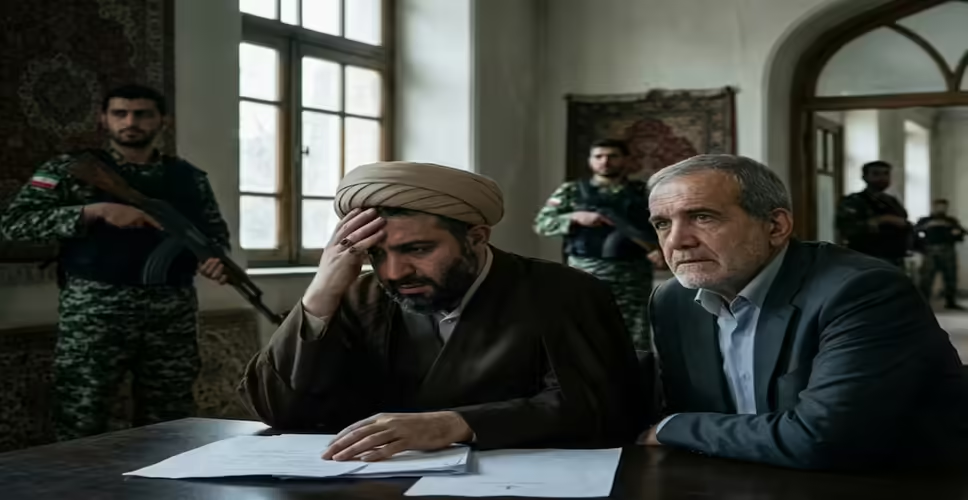
Changing Landscape in the Middle East
The situation in the Middle East is rapidly evolving once again. Reports of a power shift in Iran have stirred significant activity in international politics. With new leadership taking charge, not only have regional dynamics shifted, but fresh challenges have also emerged for the United States and its allies.
According to sources, this substantial political change in Iran has impacted both its internal governance and foreign policy. Indications suggest that the new regime may adopt a more aggressive stance, particularly on issues where it has historically clashed with the U.S.
Experts believe this transformation could disrupt America's strategic plans. The policies previously established regarding Iran may not hold the same effectiveness under the new circumstances, prompting the U.S. to reassess its military and diplomatic strategies.
The Middle East has long been a region fraught with tension, where the balance of power among various nations remains precarious. The recent power change in Iran raises concerns about further destabilization of this balance, particularly in the eyes of Gulf nations and Israel.
Some reports indicate that the new government may seek to strengthen its influence in the region, potentially escalating proxy wars and regional conflicts. In such a scenario, direct military action by the U.S. could become more complicated than before.
However, there has yet to be official confirmation or detailed information regarding this power shift. Nonetheless, the international reactions suggest that Middle Eastern politics may become increasingly sensitive in the coming days.
This entire situation raises the question of whether the world is heading towards another major conflict or if diplomacy will prevail in managing the circumstances. Currently, all eyes are on the next moves from Iran and the United States.