
Severe Storm System Approaches Middle East, Bringing Tornado Risk
Unprecedented Weather Threatens Middle Eastern Nations
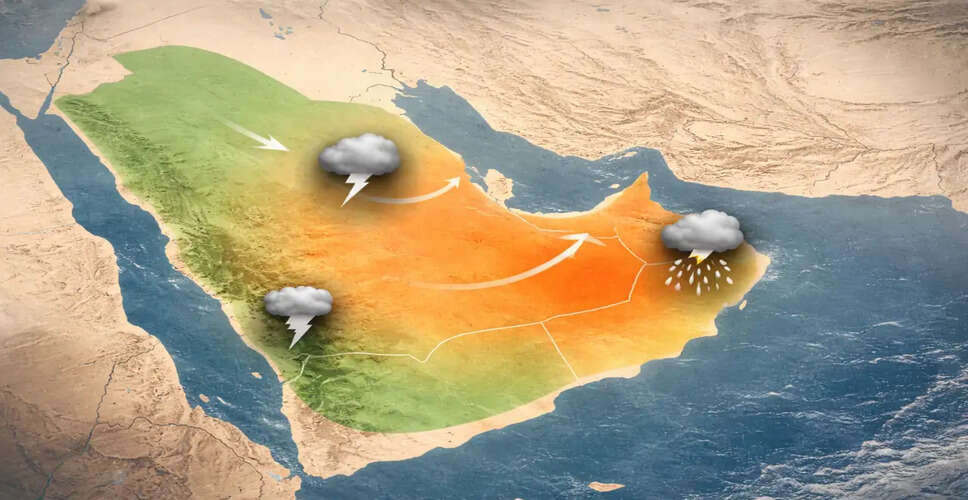
A rare and powerful storm system is on its way to the Middle East, posing a significant threat of severe weather to a region already grappling with ongoing conflicts. Countries including Saudi Arabia, the UAE, Dubai, Qatar, Bahrain, and Oman are bracing for intense thunderstorms, heavy rainfall, hail, and an unusual risk of tornadoes on Thursday, March 24, 2026. Meteorologists indicate that such a weather pattern is nearly unprecedented for this area.
The storm's development is linked to a system forming over the Mediterranean and a strengthening low-pressure zone near Baghdad, which is drawing substantial moisture into the arid regions. This combination is expected to create conditions conducive to severe storms, with some potentially rotating and generating tornadoes or waterspouts.
THURSDAY, March 26, 2026 will feature a rare desert tornado risk in the Middle East, including in Dubai, the UAE, northern Oman, Bahrain and Qatar. Scattered strong/severe thunderstorms with wind and hail are likely. Serious flooding – with up to a year's worth of rain – is… pic.twitter.com/ujrSQ6UyBh
— MyRadar Weather (@MyRadarWX) March 24, 2026
Forecasts predict extreme rainfall, with many regions likely to receive between 3 to 6 inches (100–200 mm) within a few days—almost equivalent to their annual average. For instance, Dubai, which typically sees around 4 inches of rain each year, could experience nearly that amount in just one week.
Flooding poses a significant risk, as desert landscapes and urban areas like Dubai and Abu Dhabi are not designed to handle such rapid water accumulation. Roads may transform into rivers, and critical infrastructure, including highways and airports, could face disruptions. A similar storm in April 2024 resulted in severe flooding at Dubai International Airport, affecting over 1,200 flights and submerging runways.
Additionally, the storm may bring winds reaching up to 60 mph, large hail, and dust storms in parts of Saudi Arabia. Coastal regions could also encounter waterspouts, heightening risks for maritime activities.
Oman has already felt the storm's effects, with heavy rains leading to flooding, fatalities, and ongoing rescue operations in Muscat. As more storms are anticipated into early April, conditions may deteriorate further.
This weather event unfolds amid rising tensions and military activities in the region. Flooded roads and compromised infrastructure could hinder movement, disrupt humanitarian aid, and exacerbate pressure on already strained systems. The coming days may prove particularly challenging for a region facing both conflict and extreme weather.