
Severe Heatwave Grips Europe, Disrupting Daily Life
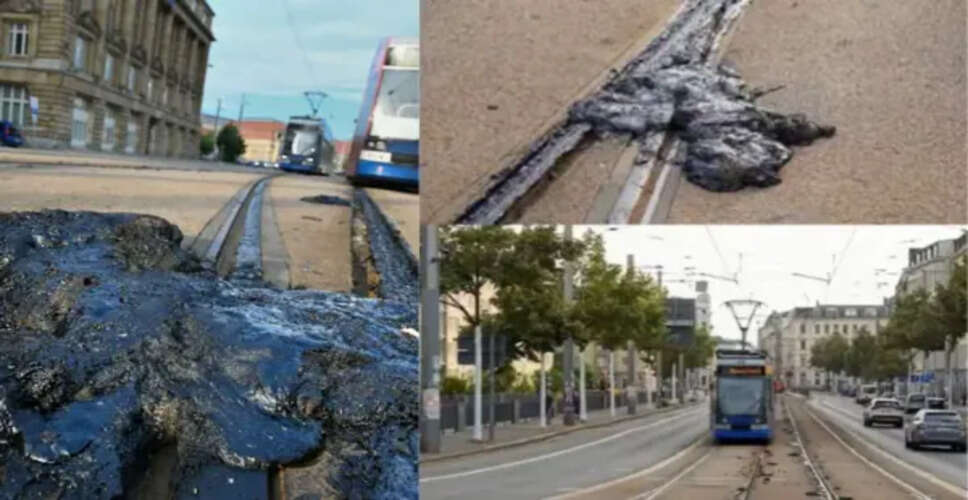

Extreme Heat Affects Daily Life Across Europe
Europe is currently experiencing an intense heatwave, with temperatures soaring well above normal levels, significantly impacting daily life. Countries such as France, Germany, Spain, Italy, and Portugal are facing record-breaking heat, leading to various challenges for residents. In several areas, roads have begun to melt, railway tracks have warped due to the heat, and public transport services have been disrupted.
Experts indicate that the prolonged exposure to intense sunlight and hot winds has severely affected infrastructure. In parts of France, asphalt roads have become so heated that their surfaces have softened, while Germany has reported distortions in some railway tracks due to extreme temperatures. As a result, many trains have had to reduce their speed, and some services have experienced delays.
The impact of the heatwave extends beyond transportation. Authorities in numerous cities have advised residents to avoid going outside during the hottest parts of the day. Special health advisories have been issued for vulnerable groups, including the elderly, children, and those with serious health conditions. Hospitals are witnessing an increase in patients suffering from heat-related issues such as heat strokes and dehydration.
In France, high heat warnings have been issued for several regions. Local authorities have implemented measures such as adjusting school hours, providing additional drinking water at public places, and opening cooling centers. Meanwhile, Germany's railway department is closely monitoring tracks and other infrastructure to ensure passenger safety.
Countries like Spain and Italy have recorded temperatures exceeding 40 degrees Celsius in various locations. The risk of wildfires has escalated, prompting fire departments to remain on high alert. In light of recent fire incidents, both tourists and locals have been advised to stay away from sensitive areas.
Meteorologists suggest that climate change is causing heat events in Europe to occur more frequently and with greater intensity than in the past. Prolonged heatwaves pose serious threats not only to human health but also to transportation, energy supply, agriculture, and water resources. Experts believe that to cope with such extreme weather events in the future, countries must enhance their infrastructure to be more climate-resilient.
Citizens in several European cities have been urged to stay hydrated, avoid prolonged sun exposure, and adhere to guidelines issued by authorities. The weather department has warned that temperatures may remain significantly elevated in the coming days, potentially exacerbating the situation.