
Senate Republicans Reconsider $1 Billion Security Proposal Amid Internal Party Discontent

Senate GOP Faces Backlash Over Security Funding
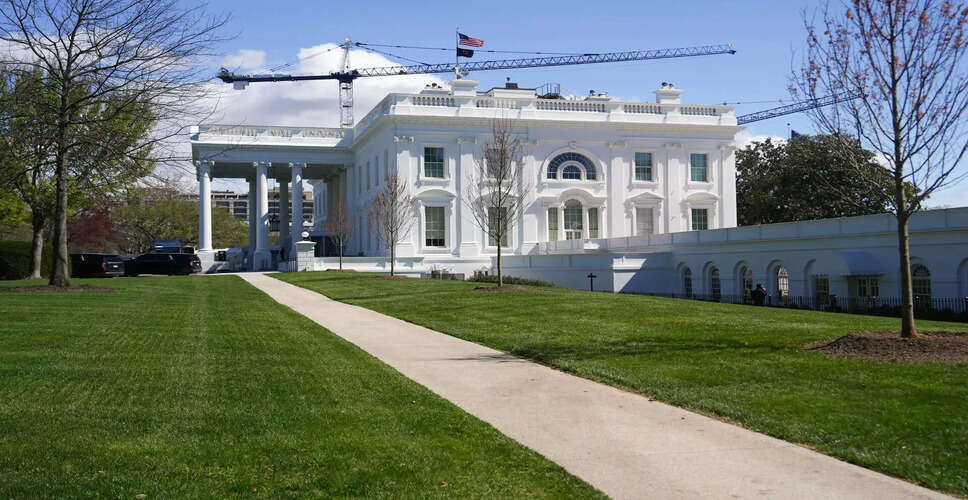
On Thursday, Senate Republican leaders are likely to retract their plan for a $1 billion security allocation intended for the White House and President Donald Trump's ballroom, following pushback from within their ranks. Under pressure from the White House, Republicans attempted to incorporate this funding into a larger $70 billion bill aimed at restoring financial support for U.S. Immigration and Customs Enforcement (ICE) and the Border Patrol. However, this security funding proposal faced resistance from several GOP members who are questioning its timing, cost, and the intended use of taxpayer money.
Senate Majority Leader John Thune from South Dakota acknowledged on Wednesday that there are 'ongoing vote issues' as party leaders assess Republican backing and determine what can be included in the legislation according to Senate rules. Senator John Kennedy from Louisiana remarked that the bill is 'back to square one' without the security funding, citing a lack of votes.
Thune aims to pass the bill this week and forward it to the House before the upcoming Memorial Day recess. However, the text of the bill has yet to be released as leaders continue to negotiate the security proposal and address new concerns from GOP members regarding the Trump administration's $1.776 billion settlement fund.
Republican senators are scheduled to meet with acting Attorney General Todd Blanche on Thursday to finalize the bill's text and determine whether to impose restrictions on the settlement fund, which is intended to compensate Trump’s allies who claim political persecution. Thune expressed that senators have inquiries about the fund and want to ensure it is appropriately managed.
This last-minute rush comes as Democrats criticize Republicans for attempting to fund Trump's ballroom while voters are grappling with essential affordability issues. Some GOP senators have voiced their discontent with the settlement, announced earlier this week, and many were displeased by Trump's endorsement of Texas Attorney General Ken Paxton in the upcoming primary runoff against Senator John Cornyn.
Potential Restrictions on Trump's Settlement Fund
The 'anti-weaponization' fund, part of a settlement resolving Trump's lawsuit against the IRS over the leak of his tax returns, has unexpectedly become a significant hurdle in the bill. Democrats are prepared to force votes to either block it or impose restrictions. They see an opportunity as Republicans attempt to pass the immigration enforcement bill through a complex budget process that necessitates numerous amendment votes. Democrats are contemplating various amendments, potentially to outright block the new fund or prohibit payments to Trump supporters involved in the January 6, 2021, Capitol attack.
Democrats from both the House and Senate united on the Capitol steps Thursday to express their opposition. Senate Democratic leader Chuck Schumer stated that the amendment process 'will give Republicans countless chances to do the right thing.' He added that if they refuse to make changes, it would indicate to voters that 'Ballroom Republicans are not working for you; they are busy fighting for Trump.'
These amendments, along with others, could gain traction as an increasing number of Republicans express concerns about the fund. Consequently, Republicans are now discussing their own last-minute modifications to potentially set parameters on the settlement and determine who could receive compensation, according to sources familiar with the discussions.
It remains uncertain how any changes made in the Senate would be received in the House. House Speaker Mike Johnson from Louisiana stated on Wednesday that the House would pass the bill 'in whatever form it takes.'
Rising Tensions Between Senate and White House
As Republicans challenge the settlement and aspects of Trump's agenda, the former president criticized the Senate in a social media post on Wednesday. He urged Republicans to dismiss Senate parliamentarian Elizabeth MacDonough, who indicated that parts of the $1 billion security proposal could not remain in the ICE and Border Patrol bill. Trump also reiterated his long-standing calls for the Senate to pass the SAVE Act, a Republican initiative requiring all voters to prove U.S. citizenship, and to eliminate the Senate filibuster.
Trump stated that Republicans need to 'get smart and tough,' or 'you’ll all be looking for a job much sooner than you thought possible!' While Senate Republicans have generally supported Trump on most issues, they have resisted his persistent calls to abolish the filibuster, which necessitates a 60-vote threshold in the Senate.
Adding to the growing rift within the GOP is Trump's unexpected endorsement of Paxton, which has left Republican senators privately frustrated, fearing it could jeopardize their majority in the upcoming November elections, as they view Cornyn as the stronger candidate.
Secret Service Funding Request Stalls
The Secret Service's request includes approximately $220 million for security enhancements related to the ballroom, with the remainder allocated for a new visitor screening center, training, and other security measures. Senator Thom Tillis from North Carolina criticized the effort to include the security package in the bill, labeling it a 'bad idea.' He argued that the bill should not encompass additional security improvements, stating, 'it’s just giving everybody the ‘billion-dollar ballroom.' Several other Republicans have also questioned the request, and senators left a briefing with the Secret Service director last week expressing the need for more information.
With people struggling to afford basic necessities like groceries, gasoline, and healthcare, Louisiana Senator Bill Cassidy questioned, 'and we’re going to do a billion dollars for a ballroom?' The bill still contains funding for ICE and Border Patrol, which Democrats have blocked for months in protest against the administration's immigration enforcement policies. Democrats have demanded changes for these agencies, but negotiations with the White House have yielded minimal progress. Therefore, Republicans are utilizing a complex budget maneuver known as reconciliation to fund these agencies through the end of Trump's term with a simple majority and without Democratic votes. However, passage still requires approval from the parliamentarian and unity among Republicans.