
Saudi Arabia Faces Oil Price Surge Amid Global Tensions
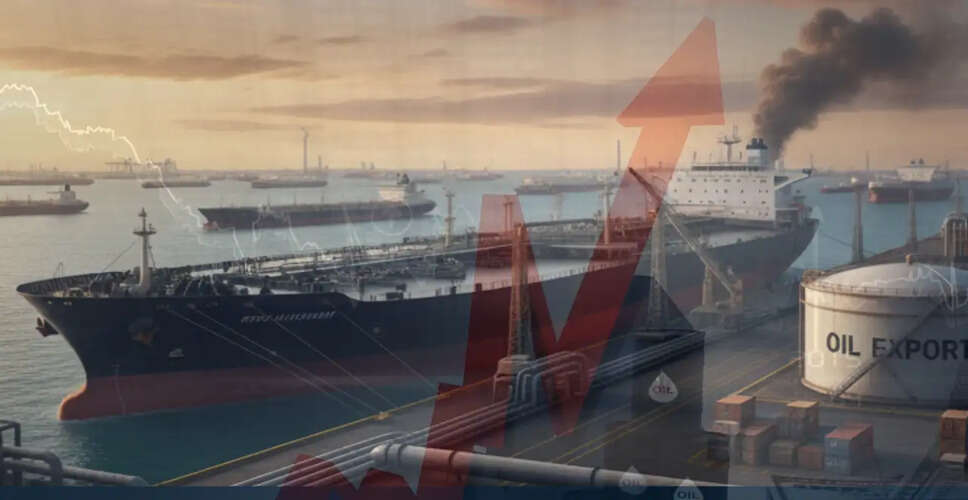
Saudi Arabia's Oil Dilemma
Saudi Arabia is currently navigating a challenging situation in the global oil market, witnessing a rise in prices that, while potentially beneficial for revenue, raises significant concerns. A report from a prominent financial publication indicates that Saudi oil officials are preparing for scenarios where Brent crude prices could exceed $180 per barrel if the ongoing conflict with Iran and energy supply disruptions continue into late April. Instead of celebrating the price increase, Saudi leaders are apprehensive, as excessively high oil prices could harm long-term demand, potentially leading to a global recession and portraying the kingdom as a wartime profiteer. Umer Karim, an analyst at the King Faisal Center for Research and Islamic Studies, emphasized that Saudi Arabia prefers gradual price increases to maintain market stability. Saudi Aramco has not yet issued a statement regarding these developments.
Impact of Conflict on Oil Prices
Prices Surge as Conflict Disrupts Energy Flows
Since the escalation of conflict on February 28, the global oil market has experienced significant tightening. Brent crude prices have surged to approximately $119 per barrel, following attacks on critical energy infrastructure, including Iran's assault on Qatar's Ras Laffan facility and ongoing threats to shipping in the Strait of Hormuz, a vital passage that carries nearly 20% of the world's oil supply. Gulf benchmarks associated with Oman crude have also seen prices exceed $166 per barrel. Some buyers are cautious about relying on this volatile benchmark, although Saudi Aramco insists it accurately reflects supply conditions. Currently, Saudi light crude is being sold to Asian markets at around $125 per barrel via Red Sea routes. As inventory levels decrease, officials anticipate further price increases, potentially reaching $138–$140 soon, with extreme scenarios suggesting prices could rise to between $165 and $180. Energy consultancy Wood Mackenzie has even warned that $200 oil is a possibility by 2026. Rebecca Babin, a senior energy trader, noted that $180 per barrel by June is a real possibility under current conditions.
Economic Implications of Rising Oil Prices
Global Economic Pain Already Visible
The surge in oil prices is already affecting consumers, particularly in the United States. Recent data indicates that gasoline prices have increased to approximately $3.88 per gallon from $2.93 just a month ago, while diesel prices have risen to about $5.10. Philip Blancato, CEO of Ladenburg Asset Management, described the escalating fuel costs as a burden on consumers and businesses, compelling households to reduce spending in other areas. US Federal Reserve Chair Jerome Powell has acknowledged that rising oil prices could simultaneously impact growth, employment, and inflation.
Consequences for India
What This Means for India
For India, the implications are particularly significant, as the nation imports nearly 89% of its crude oil, a figure projected to reach 90% by FY26. This heavy reliance makes the economy susceptible to global price fluctuations. Estimates suggest that every $10 increase in oil prices could widen India's current account deficit by approximately 30–40 basis points. If crude prices rise to between $150 and $180 per barrel and remain high, the following consequences could occur:
- The current account deficit may exceed 3% of GDP.
- The rupee could face downward pressure.
- Inflation could increase by over 1 percentage point.
- GDP growth could decelerate by up to 1 percentage point.
This scenario would place the Reserve Bank of India in a challenging position, as it would need to decide whether to tighten monetary policy to combat inflation or maintain rates and risk further price pressures. However, India does have some protective measures in place. In 2022, the government absorbed nearly Rs 1 lakh crore in excise duty cuts to support consumers and has also increased imports of discounted Russian crude to diversify its supply sources.