
Samuel Samson: The Architect of a New US-Europe Relationship

A Shift in Diplomatic Strategy
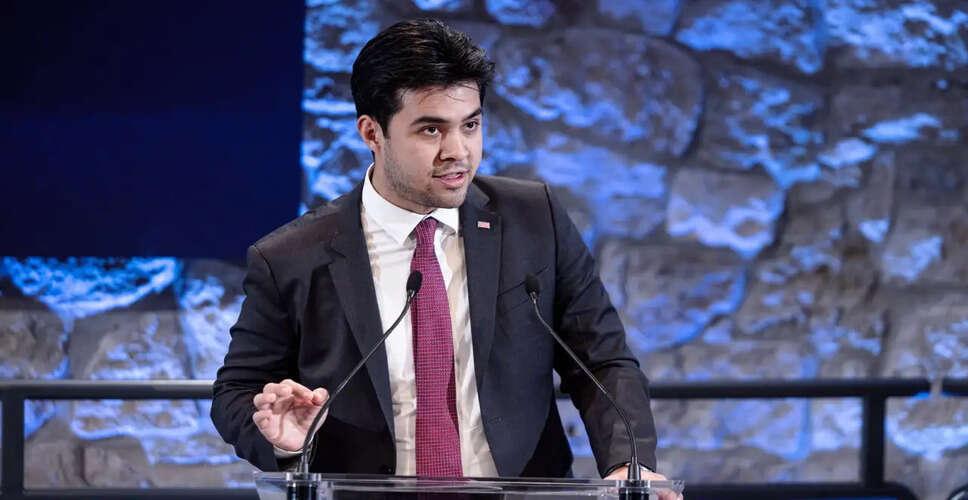
Five years after graduating, Samuel Samson has emerged as a pivotal figure in the Trump administration's initiative to redefine America's historical ties with Europe. As a senior adviser at the State Department, his meeting with far-right German lawmakers near the White House last September marked a significant departure from longstanding diplomatic norms. For nearly eight decades following World War II, US foreign policy avoided engagement with Germany's extreme right to prevent their resurgence. However, under President Trump, this approach has shifted dramatically.
During the meeting, which included Beatrix von Storch and Joachim Paul from the Alternative for Germany (AfD)—a party identified by German intelligence as potentially extremist—Samson, then just 26, listened as the politicians expressed concerns about possible government actions to ban their party. The American diplomats voiced their discontent with European social media regulations, labeling them as mechanisms to suppress conservative viewpoints. They also touched on a conspiracy theory suggesting that mainstream European leaders aim to replace white populations with immigrants.
Building Connections with Far-Right Leaders
Samson has been at the forefront of Trump's strategy to reshape US-European relations, traveling extensively across the continent to forge alliances with far-right politicians while sidelining mainstream centrist leaders. His actions have left veteran European diplomats astonished, as he frequently accuses them of suppressing freedom and actively promotes their hardline opponents, marking a stark contrast to three generations of American diplomatic practice.
In March, he had a private breakfast in London with Nigel Farage, a prominent figure in British right-wing populism, discussing topics like abortion and censorship. By May, he was in Paris advocating for Marine Le Pen, the French far-right leader recently convicted of embezzlement, arguing that she faced unfair persecution.
Challenges and Controversies
Despite his efforts, tangible successes have been elusive. Le Pen remains barred from presidential candidacy, and Hungarian Prime Minister Viktor Orbán, whom Samson has praised, recently lost his position. Some European far-right leaders are beginning to view their association with Trump as more of a liability than an asset.
Samson and others in the administration perceive Europe in 2026 as a region overwhelmed by 'woke' gender politics, an overreaching nanny state, and diminished national pride. They argue that European bureaucrats have compromised free speech through stringent regulations on American tech companies, including measures aimed at combating child sexual abuse and restricting minors' access to social media.
A New Direction in US Policy
Throughout 2025, Samson emerged as a prominent American diplomat publicly criticizing European leaders. However, this dynamic began to shift in November when Sarah Rogers was confirmed as the head of public diplomacy at the State Department, a role of greater significance. Rogers initiated her own European trips, echoing Samson's sentiments but with a more diplomatic approach.
Both Samson and Rogers have engaged in private discussions that have been described by numerous sources, some of whom spoke on the condition of anonymity. While they declined interviews, a State Department spokesperson indicated that these challenging conversations are essential for strengthening the transatlantic relationship.
A Personal Journey
Samson, whose background includes a Filipino mother and an American father, has been deeply influenced by his faith since childhood. He was active in his Catholic school and later faced challenges for his conservative views during his time at the University of Texas in Austin. His commitment to faith-driven activism eventually led him to Washington, where he worked for a nonprofit aimed at helping young conservatives secure government positions.
Upon Trump's return to the White House, Samson was appointed as a senior adviser in the State Department's Bureau of Democracy, Human Rights, and Labor, which traditionally focused on promoting various rights. He quickly signaled a desire to shift the bureau's focus towards Christians and conservatives, criticizing what he perceived as a 'woke' agenda.
Impact on European Relations
Throughout 2025, Samson's ideas began to influence US policy, with directives instructing diplomats to 'rebuild the civilizational alliance' with Europe and view mass migration as a threat to social stability. This marked a clear message: America would be less supportive of Europe unless its political landscape shifted rightward.
In December, both Samson and Rogers were actively promoting this new stance across Europe. During a meeting in London, Rogers criticized British migration policies, leaving officials astonished. Samson's final trip of the month included visits to Austria, the Czech Republic, Hungary, and Slovakia, where he delivered a candid speech about the erosion of free speech and self-governance in Europe.
Despite these efforts, the outcomes have been mixed. While Vice President JD Vance expressed support for Viktor Orbán, the Hungarian leader faced a significant defeat in recent elections.