
Russian Oil Tanker Approaches Cuba Amid US Tensions
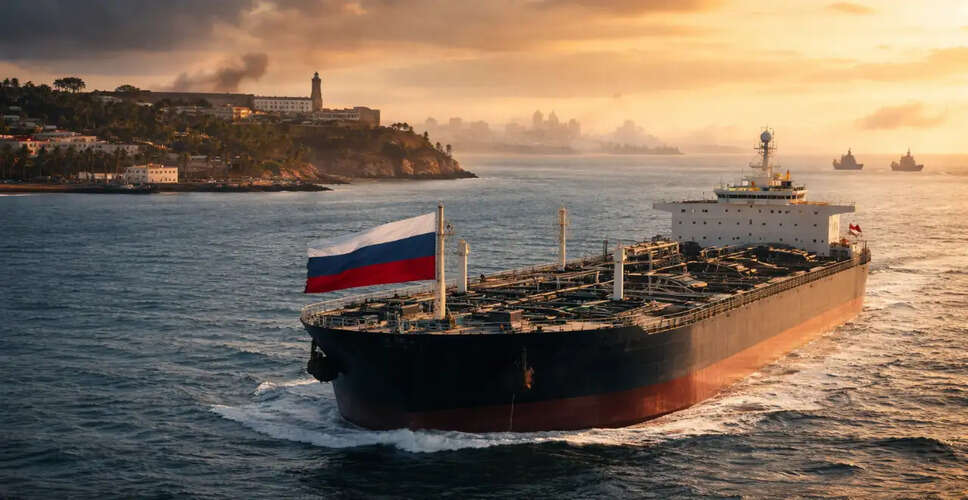
Russian Oil Shipment to Cuba Raises Concerns
As former President Trump focuses on Iran, a significant development is unfolding closer to home with a Russian-flagged oil tanker approaching Cuba, openly challenging the US's stringent blockade of the island nation. Russia has confirmed its intention to send fuel to Cuba, labeling it as 'humanitarian aid' to assist the country in managing severe fuel shortages. This action follows the Trump administration's decision to stop subsidized oil shipments from Venezuela in January, which had been crucial for Havana's energy supply.
The tanker, named Anatoly Kolodkin, set sail from Primorsk on March 8, carrying approximately 730,000 barrels of crude oil, sufficient to sustain Cuba for several weeks. Initially, it was reported to be heading to 'Atlantis,' but current maritime tracking indicates its destination is Cuba, with predictions that it may dock in Matanzas soon. This vessel is already under US sanctions and has been associated with attempts to circumvent restrictions on Russian energy exports. Its journey comes on the heels of reports of another Russian ship delivering diesel to Cuba, indicating a broader strategy by Moscow to support the island amidst increasing US pressure.
This delivery could prove vital for Cuba, which previously depended on Venezuela for 60% of its energy. The ousting of Maduro and the subsequent US blockade aimed at regime change in Havana have resulted in significant energy shortages, frequent blackouts, and a deteriorating humanitarian situation. Notably, the tanker is flying a Russian flag and was briefly escorted out of European waters by a naval frigate, signaling a clear intent that complicates any potential US response.
Trump's Limited Options
Trump faces a challenging situation with limited options. The US could monitor the vessel to exert pressure, but stopping or seizing it may not be feasible due to legal constraints and the potential for escalating tensions with Moscow, particularly in light of the ongoing situations in Iran and Ukraine. The US has already prohibited Russian oil shipments to Cuba, but enforcing this policy in international waters presents numerous legal and political hurdles. As the tanker nears the Caribbean, Washington is confronted with a familiar dilemma: take aggressive action and risk confrontation or allow the shipment to proceed, thereby undermining its broader strategy against Cuba.