
Russia to Resume Engineering Work at Iran's Bushehr Nuclear Plant

Resumption of Engineering Activities
Starting mid-July, Russia will recommence sending engineers to the Bushehr Nuclear Power Plant in Iran, as announced by Rosatom's CEO, Alexey Likhachev. This marks the revival of operations at Iran's sole nuclear facility after a prolonged hiatus due to regional conflicts. Reports from Russia's Interfax indicate that this decision follows the earlier evacuation of numerous Russian staff after military actions by the United States and Israel against Iran that began on February 28. The ongoing attacks near the Bushehr site had compelled Rosatom to reduce its workforce, leaving a minimal team of about 20 Russian experts to manage essential safety systems and critical equipment.
Likhachev noted that the security conditions have improved enough to allow for the return of personnel, although the exact number of engineers being sent back has not been specified.
Iranian Workforce Back on Site
Construction activities at the facility have gradually resumed, with around 2,200 Iranian workers returning to advance the expansion project. These teams are primarily engaged in reinforcing structures and pouring concrete for the new reactor units.
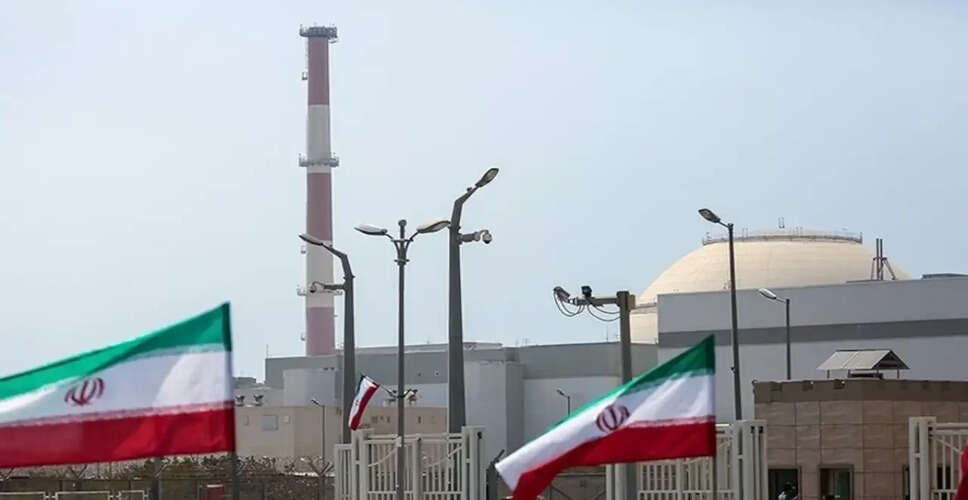
The Bushehr complex, situated along Iran's Persian Gulf coast, hosts the nation's only operational nuclear reactor. The Russian-built VVER 1000 reactor began commercial operations in 2011 and produces approximately 1,000 megawatts of electricity. Under a longstanding agreement between Moscow and Tehran, Rosatom is in the process of constructing two additional reactors at this site, known as Units 2 and 3, each anticipated to generate around 1,000 megawatts upon completion.
Continued Construction Amidst Challenges
Despite the evacuation of Russian personnel, the manufacturing of crucial reactor components has persisted in Russia. Officials have reported progress on the reactor vessel for Unit 2 and steam generators, despite the disruptions at Bushehr. Prior to the evacuation, approximately 700 Russian specialists were collaborating with thousands of Iranian contractors on the expansion project.
Russia and Iran have broader ambitions to construct up to eight nuclear power units in the country, with Bushehr serving as the flagship initiative of their civilian nuclear partnership.
Ongoing International Oversight
The return of Russian engineers coincides with heightened international scrutiny of Iran's nuclear program, following months of military tensions and renewed diplomatic initiatives. The International Atomic Energy Agency (IAEA) continues to monitor Iran's civilian nuclear activities, although access to certain conflict-affected areas has been restricted.
Western nations, particularly the United States, have voiced ongoing concerns regarding Iran's nuclear aspirations, while Russia asserts that its collaboration with Tehran is confined to peaceful civilian energy projects conducted under international regulations. Likhachev has emphasized that the Bushehr expansion is a priority for Rosatom, which remains dedicated to completing the construction while ensuring the safety of its personnel. The gradual return of Russian engineers is expected to expedite work on the additional reactors, although Rosatom has not yet provided a comprehensive construction timeline. The situation at the facility continues to be closely monitored amid ongoing regional tensions.