
Rising Tensions in West Asia: The US-Iran Conflict on the Brink

Overview of the West Asia Crisis
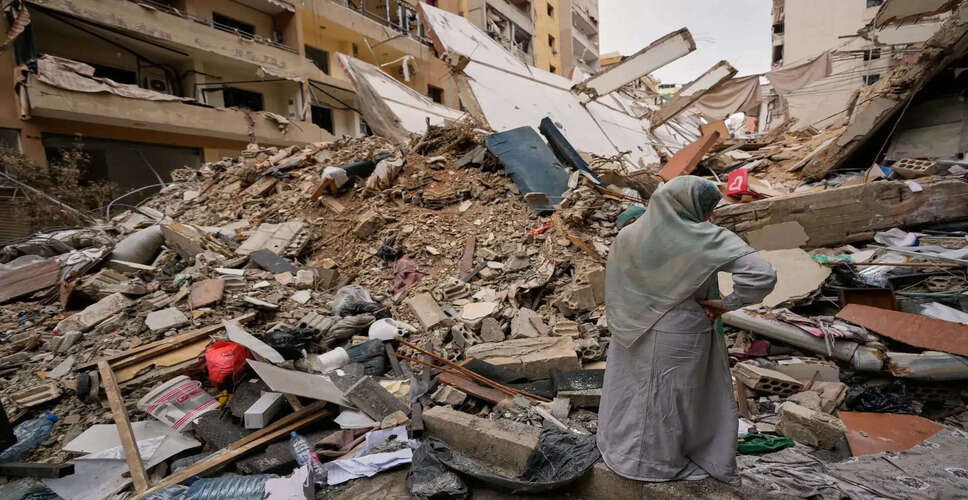
The crisis in West Asia escalated dramatically with coordinated strikes by the United States and Israel against Iran on February 28, resulting in the death of Supreme Leader Ayatollah Ali Khamenei and several high-ranking officials. Following this, hostilities intensified, leading to a temporary ceasefire that is now nearing its end. As tensions rise again in the Strait of Hormuz and diplomatic efforts stall, a pressing question emerges: Is the conflict involving the US, Iran, and Israel transitioning into a prolonged standoff rather than approaching a resolution?
Uncertainty Surrounds US-Iran Negotiations
Suspense Continues Over Second Round of US-Iran Talks
The potential for a second round of negotiations between the US and Iran remains uncertain after the initial discussions in Islamabad did not yield an agreement. US President Donald Trump has conveyed mixed signals regarding the future of the conflict, indicating he is not in a hurry to conclude it. Conversely, Iran has stated it will not engage in talks under duress. Trump has expressed skepticism about renewing the ceasefire set to expire soon, while Iranian Parliament Speaker Mohammed Bagher Ghalibaf mentioned that Iran is preparing to unveil new strategies on the battlefield.
Escalating Hostilities
Tensions Escalate Between the US and Iran
The second round of talks is now in jeopardy following the US Navy's seizure of an Iranian cargo ship, 'Touska', near the Strait of Hormuz after a six-hour standoff. The US claims it acted after the vessel crossed a blockade line despite multiple warnings. This incident marks the first interception since the US initiated a naval blockade of Iranian ports last week. Iran has demanded the immediate release of the ship and its crew. Key issues hindering a deal include the reopening of the Strait of Hormuz, the status of Iran's uranium stockpiles, and restrictions on uranium enrichment.
The Possibility of a Frozen Conflict
Is US-Iran-Israel War Slipping Into a Frozen Conflict? What History Suggests
Currently, neither the US nor Iran appears committed to finding a comprehensive resolution to the ongoing crisis. The initial round of talks failed due to Iran's unwillingness to compromise on its nuclear ambitions, as noted by US Vice President JD Vance, who led the negotiations. Historical context reveals that the negotiations leading to the 2015 Joint Comprehensive Plan of Action took 20 months to finalize. Trump later withdrew from this agreement, labeling it a "terrible one-sided deal." Analysis suggests that even if an agreement is reached, it may lead to a frozen conflict rather than a lasting peace. A frozen conflict indicates a cessation of large-scale fighting while underlying tensions persist, often occurring when a political resolution remains elusive.
Hope for Progress?
Is There Hope?
Amid the uncertainty from both Tehran and Washington, Pakistan is actively preparing for a second round of negotiations. Although no final dates have been announced, security measures appear to be more stringent than those during the first round held on April 11 and 12. Analysts speculate that high-level participation may be possible if discussions progress. Security analyst Syed Mohammad Ali noted that arrangements this time differ significantly from the previous round, indicating potential visits by senior US and Iranian officials if an agreement seems achievable. Reports suggest that President Trump might also participate in the peace talks, either in person or virtually, raising concerns that failure to reach a deal could lead to significant disruptions in global oil and gas markets, potentially triggering inflation worldwide.