
Rising Tensions in the Strait of Hormuz: Floating Mine Alert Issued
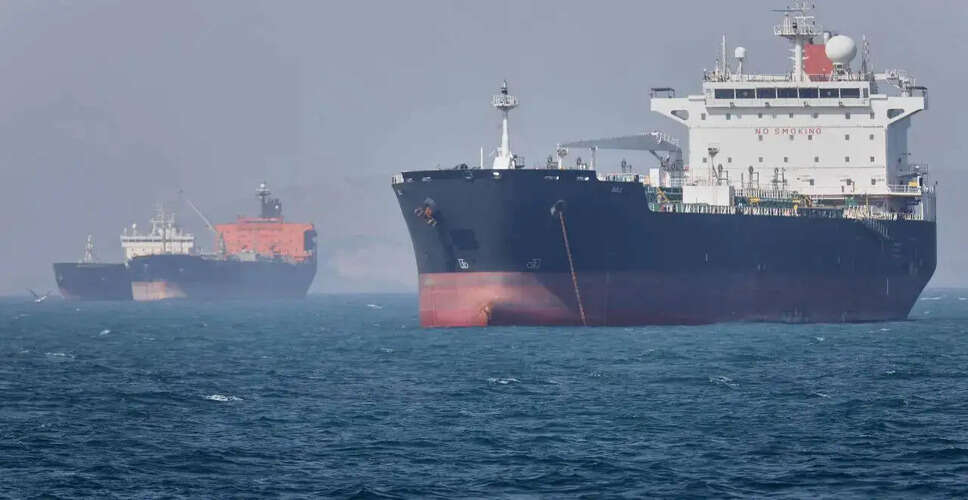

Alert Issued in Oman
On Saturday, tensions escalated in the Strait of Hormuz as Omani authorities issued a warning for vessels to navigate with caution after an object, believed to be a floating mine, was detected. The Omani Maritime Security Center announced this in a post on X, advising all maritime users to maintain a safe distance from any suspicious items and to report them to the appropriate authorities. Additionally, Oman's Ministry of Defense urged utmost vigilance while navigating in light of the discovery of the suspected sea mine in the coastal traffic area.
US Naval Blockade Remains
What We Know About US Blockade
This alert coincides with statements from Defense Secretary Pete Hegseth, who confirmed that the US naval blockade in the Strait of Hormuz is still active. President Trump is currently considering extending a ceasefire with Iran, which would allow for the reopening of this vital energy corridor. Hegseth mentioned during an interview that discussions about the strait frequently arose at the Shangri-La Dialogue security summit in Singapore, where he reassured foreign leaders about the US stance on the matter.
In a related incident, US military forces intercepted a merchant vessel attempting to breach the blockade of Iranian ports. The Gambia-flagged bulk carrier, Lian Star, ignored multiple warnings and was subsequently disabled by US aircraft in the Gulf of Oman, remaining adrift without being boarded by US forces.
The Strait of Hormuz has become a critical flashpoint in ongoing conflicts, with Iranian restrictions significantly hampering commercial shipping. The US blockade has redirected over 100 vessels and disabled four since its implementation in mid-April. The struggle for control over this waterway has been a significant issue in US-Iran negotiations.
Vietnamese leader Tô Lâm highlighted the global implications of tensions in strategic maritime routes, emphasizing that disruptions can affect trade and energy supplies worldwide. A tentative agreement reached this week aims to extend the fragile ceasefire by another 60 days, with a focus on restoring free navigation through the Strait of Hormuz.
The memorandum of understanding (MOU) includes a commitment from Iran to refrain from imposing tolls on ships passing through the strait and mandates the removal of all remaining mines within 30 days. In return, the Trump administration would gradually lift its naval blockade, although neither party has officially approved the deal yet.
Trump's Stance on the Strait
Trump on Strait of Hormuz
President Trump indicated on Friday that he was in the White House Situation Room to finalize decisions regarding the memorandum, but no updates were provided after a two-hour meeting. In a detailed post on Truth Social, he stated that Iran must commit to not pursuing nuclear weapons and that the Strait of Hormuz should be open for unrestricted shipping traffic without tolls.
Trump also mentioned that any water mines would be eliminated, asserting that the US has already detonated several mines using advanced underwater mine sweepers. He insisted that Iran must promptly remove or detonate any remaining mines, which he believes are few in number.