
Rising Tensions in Middle East as Iran Rejects US Talks
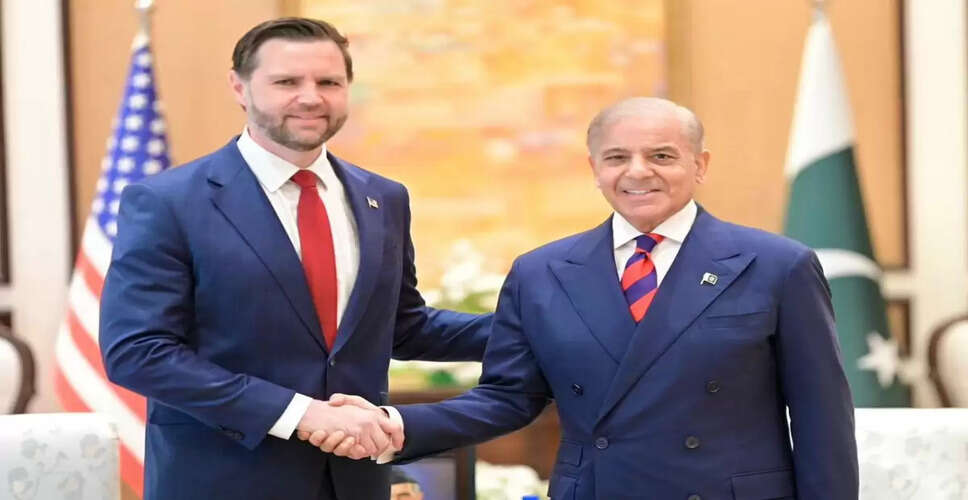

Escalating Political Tensions in the Middle East
The political landscape in the Middle East is witnessing renewed turmoil as Iran has categorically dismissed proposed negotiations with the United States, heightening fears of escalating regional tensions. In response, Pakistan's Prime Minister Shahbaz Sharif promptly intervened, reaching out to Iranian President Masoud Pezeshkian to discuss the situation in detail.
Iran's Firm Stance on US Negotiations
According to sources, Iran has firmly rejected any new discussions with the United States. Tehran asserts that American policies are rooted in 'pressure and sanctions,' making it unlikely for any meaningful outcomes to arise from negotiations. Iran has previously made it clear that it is open to diplomatic dialogue only on the basis of mutual respect and without preconditions.
Pakistan's Role as a Potential Mediator
Meanwhile, Pakistan is positioning itself as a potential mediator. Prime Minister Shahbaz Sharif emphasized the need for maintaining peace in the region and finding diplomatic solutions during his phone conversation with the Iranian president. Reports indicate that both leaders discussed the current tensions, regional security, and future strategies.
Expert Opinions on Pakistan's Mediation Efforts
Experts believe that Pakistan's initiative could be significant, given Islamabad's relatively balanced relations with both countries. However, it remains to be seen whether Pakistan's mediation can thaw the icy relations between Tehran and Washington.
Current State of US-Iran Relations
At present, tensions between the US and Iran are at a peak over various issues, including nuclear programs, regional influence, and economic sanctions. Iran's withdrawal from negotiations signals that the path to diplomacy may become increasingly challenging in the future.
International Community's Focus
Currently, the international community is closely watching whether Shahbaz Sharif's 'phone diplomacy' will yield tangible results or if the deadlock will deepen further.