
Rising Tensions Between Iran and the US: Pakistan's Role in Peace Negotiations
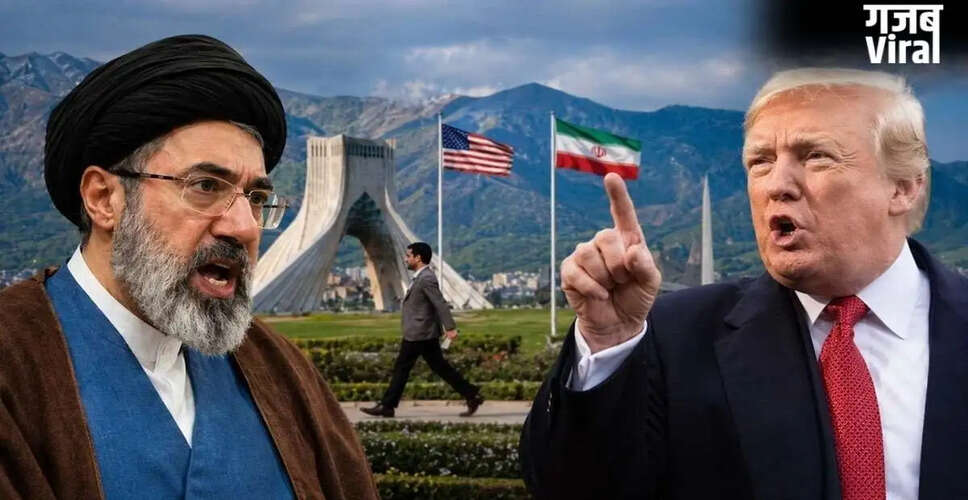

Escalating Tensions in the Middle East
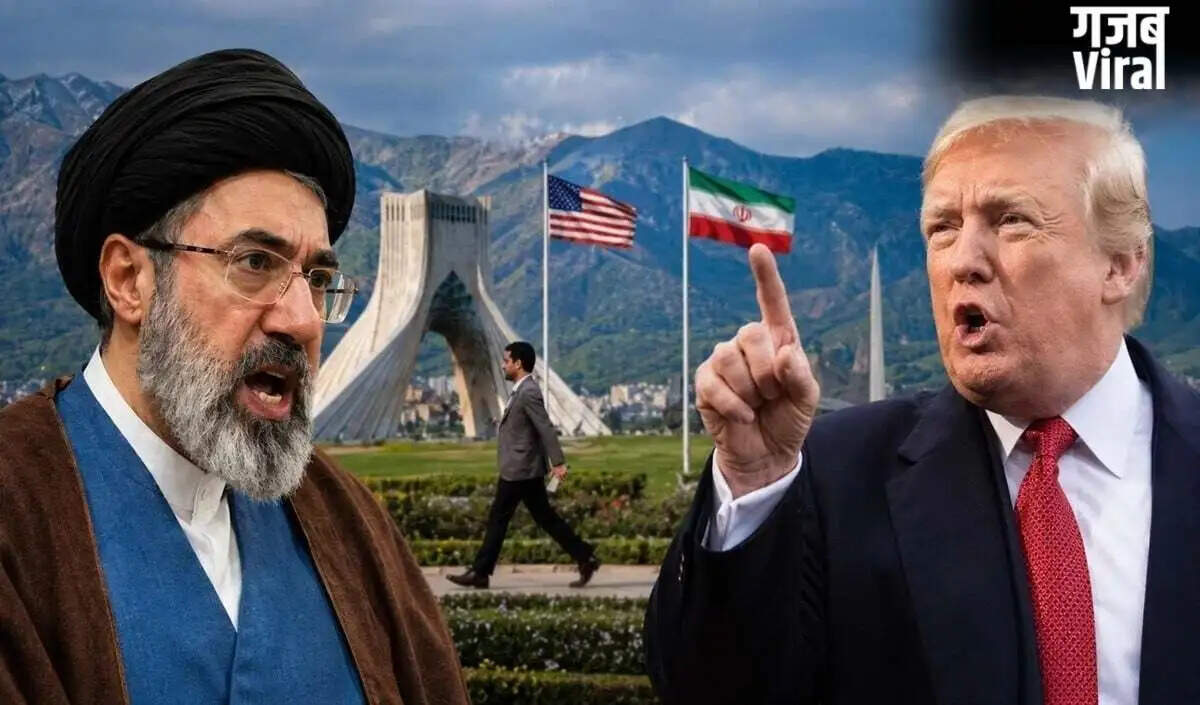
The situation between the United States and Iran is once again reaching a critical point amid ongoing tensions in the Middle East. Recently, Iran has sent a revised peace proposal to the US through Pakistan, reigniting hopes for dialogue. This comes after former President Donald Trump rejected an earlier proposal from Tehran.
Currently, the US has maintained a naval blockade against Iran, significantly impacting its oil exports. Trump believes that this pressure could compel Iran to return to the negotiating table. Meanwhile, US military officials have informed the President about potential new attacks, raising concerns about a resurgence in conflict.
In Iran, political activity has intensified, with calls for the removal of Foreign Minister Abbas Araghchi. He is accused of following military directives without fully informing the President during nuclear talks, leading to dissatisfaction from President Masoud Pezeshkian and Parliament Speaker Mohammad Baqer Qalibaf.
It's important to note that a ceasefire has been in effect between the two nations since April 8, but the situation remains fragile. The possibility of US military action and Iran's warnings have heightened tensions. Iran has made it clear that any further attacks would elicit a strong and prolonged response.
This ongoing situation is also affecting the global economy. The Strait of Hormuz, a crucial route for the world's oil and gas supply, is experiencing significant fluctuations in oil prices due to the rising tensions. Reports indicate that approximately 20% of global energy supply is impacted by this route.
Despite the return of an aircraft carrier, the US military presence in the region remains strong, with around 20 naval vessels still deployed, indicating that Washington is not in a retreating mood.
Pakistan's role is becoming increasingly significant as a mediator in this matter. Sources suggest that the new proposal aims to resolve the deadlock between the two countries, although it remains unclear how Washington has responded to this initiative.
Experts believe that successful negotiations could bring stability to the region, but if military confrontations resume, the repercussions would extend beyond the Middle East, affecting the global economy and energy markets. The coming days could be crucial in determining the future of this conflict.