
Rising Gas Prices Spark Public Concern in the U.S.
Public Sentiment on Gas Prices
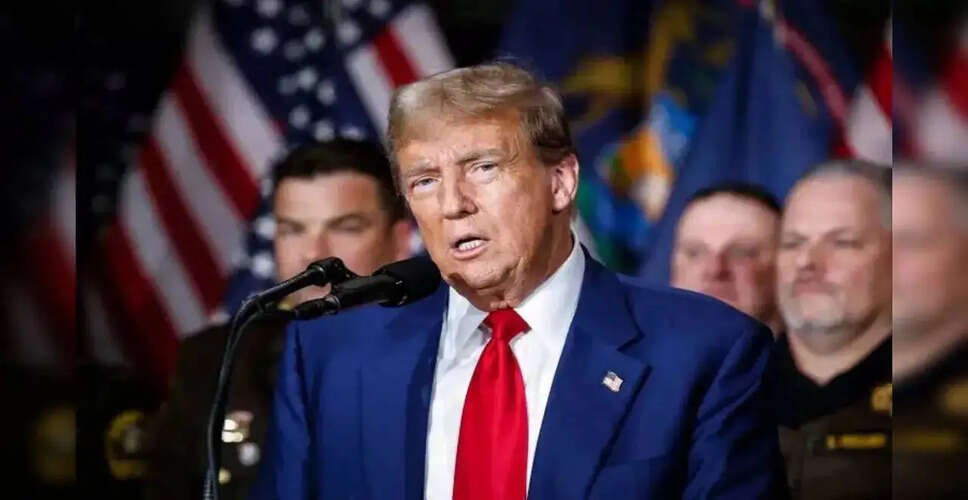
A recent flash survey conducted by Morning Consult revealed that 74% of Americans feel that gas prices have surged this year. This figure has seen a significant increase of 30 points in just six weeks since the last inquiry by the polling firm. When asked about the primary cause of the current price levels, 48% of respondents attributed the blame to President Trump and his administration, according to a report from a news outlet. Following this, 16% held oil and gas companies responsible, 13% pointed to global market dynamics, and 11% blamed former President Biden. The survey included 1,002 U.S. adults and was adjusted to reflect national demographics, with a margin of error of plus or minus three percentage points.
Recent Price Trends
How Fast Prices Have Moved
The statistics behind public dissatisfaction are significant. Data from AAA indicates that the average cost for a gallon of regular gas has risen to $3.60, up from $2.95 just a month prior. This represents an increase of over 20% in approximately four weeks, primarily driven by disruptions in global oil supply due to the conflict in Iran and the near-closure of the Strait of Hormuz. Prices have been on the rise for eleven consecutive days.
Political Implications
A Political Problem Taking Shape
Kyle Dropp, the president of Morning Consult, expressed that low gas prices had previously been a positive aspect for the administration. "Now it's not," he stated. This change is significant because affordable fuel was one of the tangible benefits the White House could highlight when discussing the economy's performance for everyday Americans. However, this narrative has become increasingly difficult to maintain as gas prices escalate rapidly.
Administration's Response
What the White House Is Saying
The administration is countering the notion that the price increase signifies a long-term issue. They assert, "President Trump has made it clear that these are temporary disruptions. Once military objectives are achieved and the Iranian regime is neutralized, oil and gas prices will likely decrease swiftly, potentially even lower than before the strikes commenced," according to the report.
RapidResponse47
2032083094526660893
On Thursday morning, Trump addressed the situation on social media, stating, "The United States is the largest oil producer in the world, so when oil prices rise, we benefit significantly. However, my primary concern as President is preventing Iran from acquiring nuclear weapons and causing destruction in the Middle East and beyond. I will not allow that to happen!"
Public Perception and Future Outlook
The Tension at the Heart of It
The White House is essentially asking Americans to accept short-term discomfort at the gas station as a necessary trade-off for a broader strategic goal. Based on the recent polling, about half of the population currently believes that the president is responsible for this situation. Whether this perception changes will largely depend on how quickly the conflict is resolved and how swiftly gas prices decrease thereafter.