
Rising Fuel Costs Threaten Food Security for Filipino Farmers Amid Iran Conflict

Impact of Rising Oil Prices on Agriculture
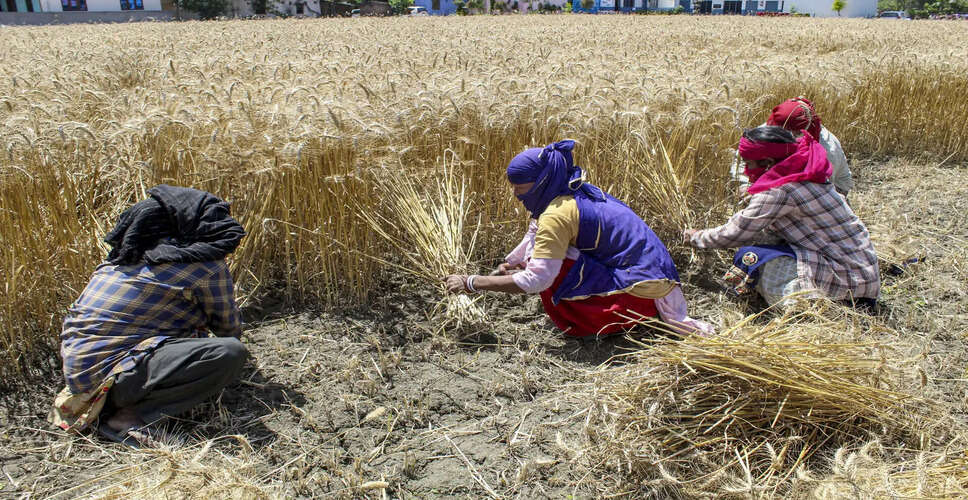
Filipino vegetable farmer Bic Pagkaliwangan has seen his profits slashed in half due to soaring oil prices linked to the ongoing conflict between the United States and Iran. The cost of diesel for his farming equipment has surged by 25%, and transportation expenses for delivering his produce to markets have also increased significantly. Currently, he earns only 25 Philippine pesos per kilogram for tomatoes, which is roughly 40 cents for every 2.2 pounds, and 30 pesos for okra. If fuel prices continue to rise, he fears that commercial farming may no longer be viable. Nevertheless, he remains determined, stating, “We’ll keep going and take the risk.”
This situation is not unique to Pagkaliwangan; it reflects a broader trend across developing nations. The closure of the Strait of Hormuz is affecting not only oil shipments but also fertilizer supplies, leading to increased food production costs, particularly in poorer regions where farmers struggle to manage rising expenses. Experts caution that sustained high costs could result in decreased agricultural output, inflated food prices, and potential shortages in the near future, as reported by a leading financial publication.
In Lian, a small coastal town located about three hours south of Manila, the effects are already apparent. Farmers are reconsidering their planting decisions, with some opting to harvest less or leave crops unpicked due to the high costs of bringing them to market. The Philippines is especially susceptible to these challenges, as nearly all its fuel is sourced from the Middle East, either directly or through other Asian nations. By mid-April, diesel prices in Manila had more than doubled compared to two months prior. In response, the government has declared a state of emergency and implemented limited relief measures, such as waiving tolls for trucks transporting fresh produce and providing fuel subsidies to farmers and fishermen. Additionally, efforts are underway to seek alternative oil suppliers, including Russia.
However, many in the agricultural sector feel that the assistance is insufficient and comes too late. In a nearby fishing community, approximately one-third of local fishing association members have left the industry to pursue jobs in construction or other fields. Fishermen report that they can no longer afford to venture to more distant fishing grounds, with some trips yielding barely enough catch to cover fuel costs. Rice farmers are also facing financial strain, with fertilizer prices rising by as much as 40% in recent months. Labor costs are increasing as well, as workers demand higher wages to cope with their own escalating expenses. Some farmers have resorted to an ‘on-call’ labor system instead of maintaining full-time staff.
Edgar Sales, a rice mill owner, has noted that the cost of milling rice has increased, and the price of replacement parts for his machinery has risen by 20%. He expresses concern that when the wet season arrives, the cost of drying rice could nearly double due to high diesel prices. “If Iran and the U.S. come to an agreement, maybe we can return to the way things were before,” he lamented.
The repercussions extend beyond the Philippines. Vietnamese rice export prices have surged due to increased production costs, while in Thailand, a leading seafood exporter, many fishing vessels remain docked due to high fuel prices. Food security experts warn that developing nations have significantly less capacity to absorb these economic shocks compared to wealthier countries. With a substantial portion of their populations already living near the poverty line, even slight increases in food prices can push millions back into poverty.
Currently, markets in the Philippines remain adequately stocked. However, if farmers begin to reduce planting or cut back on fertilizer usage to save costs, the situation could deteriorate later this year. As one farmer in Lian succinctly stated, “If we don’t plant, we don’t eat.” The conflict in Iran, which started as a military engagement, is gradually evolving into an economic crisis that poses a silent threat to the food security of some of the world’s most impoverished populations.