
Rising Costs of US Military Operation Against Iran: Operation Epic Fury
Escalating Financial Burden of Operation Epic Fury
The financial implications of the U.S. military initiative against Iran, termed Operation Epic Fury, are escalating as the conflict progresses into its sixth day. Initial assessments suggest that the first 100 hours of the operation have incurred costs around $3.7 billion. President Donald Trump and Defense Secretary Pete Hegseth have indicated that this military action may extend for several weeks. As the situation unfolds, lawmakers, media, and the public are increasingly questioning the total expenditure of the campaign.
According to an analysis, the operation is currently costing approximately $891 million daily during its initial phase. A significant portion of these expenses, estimated at $3.5 billion, was not accounted for in the Defense Department's existing budget, potentially necessitating additional funding from Congress. The costs are categorized into three main areas: operational expenses, munitions replenishment, and equipment losses, as reported by CSIS.
Operational costs for the first 100 hours are projected at around $196 million, which encompasses air, naval, and ground operations. Of this, approximately $178 million was pre-allocated in the budget. Air operations represent the largest expense, costing about $125 million in the initial phase, with daily costs increasing by roughly $30 million as over 200 aircraft are involved in the operation.
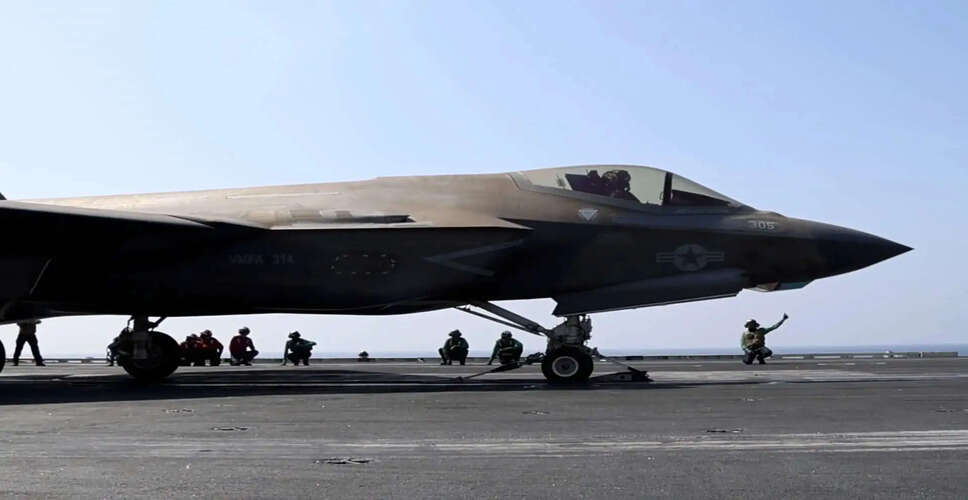
Naval operations have incurred costs of about $64 million during the first 100 hours, with an additional $15 million added daily. The U.S. naval fleet currently comprises two aircraft carriers, 14 destroyers, and three littoral combat ships operating across the Arabian Sea, Persian Gulf, and eastern Mediterranean. Ground operations, which include artillery and missile defense units, initially cost around $7 million, with daily expenses rising by approximately $1.6 million.
The most significant financial burden arises from the need to replace munitions utilized during the strikes. U.S. forces are estimated to have launched over 2,000 munitions at Iranian targets within the first 100 hours. The cost to replenish these weapons could reach about $3.1 billion, with offensive strike munitions accounting for roughly $1.5 billion and air defense interceptors around $1.7 billion. Costs may decrease if the U.S. transitions from costly long-range missiles, like Tomahawks, to more affordable precision-guided bombs such as JDAMs as Iranian air defenses diminish.
Additionally, equipment losses and infrastructure damage contribute another $350 million to the total costs. The U.S. has reported the loss of three F-15 fighter jets due to a friendly-fire incident, while Iranian missile and drone strikes have inflicted damage on facilities in Kuwait and Qatar. Analysts predict that the Pentagon will likely require further funding from Congress, potentially through a supplemental spending bill, should the conflict persist.