
Reza Pahlavi's Vision for Iran: A Blueprint for Transition Amid Ongoing Conflict
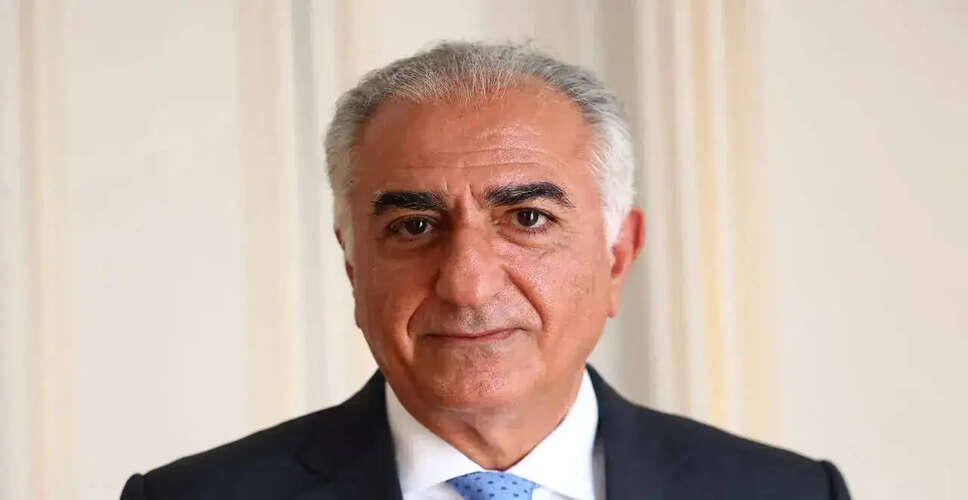
Pahlavi's Call to Action
As the conflict involving the US and Israel against Iran reached its 15th day on Saturday, Reza Pahlavi, the exiled crown prince residing in the United States since the 1979 revolution, publicly expressed his readiness to lead Iran through a transitional phase once the Islamic Republic collapses. In a social media message directed at his fellow citizens, Pahlavi stated, "The transitional system, under my leadership, will be prepared to govern the nation immediately after the fall of the Islamic Republic, establishing order, security, freedom, and the conditions necessary for Iran's prosperity and growth."
Details of His Transition Plan
What His Plan Actually Is
Pahlavi's transition strategy, known as the "Iran Prosperity Project," outlines a plan for the initial 180 days following the regime's downfall. This includes a referendum allowing Iranians to choose their preferred government system, followed by formal elections.
PahlaviReza
2032756161980645478
He mentioned that efforts are underway to identify individuals, both within Iran and abroad, who would participate in this transitional governing body. Saeed Ghasseminejad, an advisor at the Foundation for Defense of Democracies in Washington, is leading the selection process for this group.
Pahlavi's Political Position
Where He Stands Politically
Since the protests against Iran's theocratic regime escalated in late 2024, Pahlavi has become a significant opposition figure. He has engaged with various European leaders, enhancing his image as a viable alternative to the current government on the international stage. However, he has yet to receive crucial support from former President Trump, who has raised doubts about Pahlavi's backing within Iran, highlighting the challenges faced by exiled leaders attempting to assert themselves from afar.
It remains uncertain whether the recent US-Israeli military actions have altered the political dynamics within Iran enough to impact Pahlavi's prospects. Nevertheless, he is actively constructing a framework for a potential government and signaling his intent to be prepared for any forthcoming changes. Currently, the Iranian regime appears to be more resilient than many had anticipated, making its collapse seem unlikely in the near future.