
Rapid Expansion of Willow Fire Near Leadville Triggers Evacuations
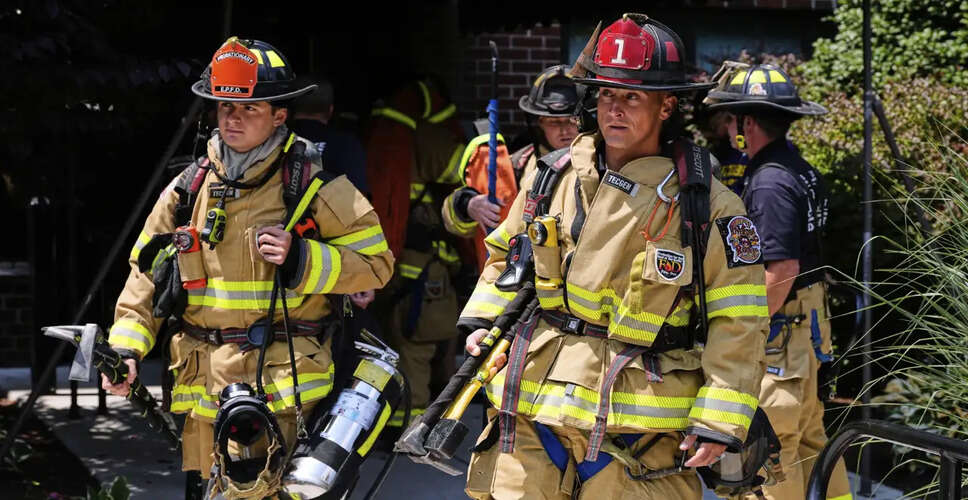

Overview of the Willow Fire
A swiftly spreading wildfire, known as the Willow Fire, has escalated from a few acres to over 1,000 acres in just a few hours near Leadville, Colorado. This rapid growth has led to mandatory evacuations, smoke advisories, and a significant emergency response. The fire ignited on Sunday afternoon on US Forest Service land close to Twin Mounds, situated about two miles northwest of the Leadville National Fish Hatchery. By Sunday evening, fire monitoring systems indicated that the blaze had expanded to 1,066 acres, driven by dry vegetation and conducive fire conditions. Local, state, and federal firefighting teams are actively working to contain the fire, but no containment figures have been released yet.
Location of the Willow Fire
Where Is The Willow Fire Burning?
According to Lake County Emergency Management, the Willow Fire began around 3:30 p.m. near Twin Lakes in Lake County. Initially assessed at just three to five acres, the fire grew rapidly throughout the afternoon. Incident commanders reported significant expansion within the first hour, with the wildfire surpassing the 1,000-acre threshold by early evening.
My view of the Willow Fire between Leadville and Aspen around 45 minutes ago from 28,000 feet. @watchdutyapp is showing the fire is around 300 acres and started 2 hours ago. @KOAColorado pic.twitter.com/eUISQXctdQ
— Kienan Dixon (@KienanDixon16) June 29, 2026
Smoke from the fire has spread beyond Lake County, becoming visible in Summit County, affecting areas near Frisco and the Tenmile Range.
Evacuations and Safety Measures
Mandatory Evacuations Ordered
Officials have mandated evacuations for several high-risk zones surrounding Turquoise Lake. The current evacuation area includes:
- County Roads 4, 5A, 9, 9D, 48, and 99
- All campgrounds near Turquoise Lake
- Trails extending from the Leadville National Fish Hatchery
- Various hiking routes leading towards the treeline
#StanleyFIRE [UPDATE 7:10PM] The forward rate of spread was stopped at 7:06PM at 18-acres. Sage Rd. will be closed between Alexander Dr. and Buck Rd. for approximately 3 hours. Crews and resources will be committed for approximately 6 hours performing mop-up operations. No…
— CAL FIRE/Riverside County Fire Department (@CALFIRERRU) June 29, 2026
Emergency officials have urged residents to evacuate without waiting for official notifications if they feel they are in immediate danger. Those who have evacuated are directed to the Family Assistance Center at Colorado Mountain College, while livestock owners are advised to relocate their animals to the McWethy Rodeo Grounds, where emergency services are available.
Smoke Advisory and Firefighting Efforts
Smoke Advisory Issued For Summit County
Although the fire is primarily in Lake County, dense smoke has drifted into Summit County, triggering emergency alerts. Officials have emphasized that residents should not call 911 just to report visible smoke, as emergency dispatch centers are already aware of the situation. Instead, they should only contact emergency services if they see a distinct column of smoke from a new location or can confirm active flames, which may indicate a separate wildfire. The Red, White & Blue Fire Protection District has reiterated this guidance, clarifying that smoke seen above the Tenmile Range is from the Willow Fire.
Firefighting Operations Continue
Numerous firefighting agencies, including local, state, and federal resources, are on-site as crews strive to contain the fire. Currently, there is no information available regarding the cause of the Willow Fire or when evacuation orders might be lifted. Residents are encouraged to stay updated through Lake County Emergency Management, Watch Duty, and InciWeb for the latest evacuation maps, road closures, and fire progression.
Guidelines for Residents
What Residents Should Do
Residents in and around Leadville are advised to:
- Immediately comply with all mandatory evacuation orders.
- Avoid entering evacuation zones unless authorized.
- Keep track of official fire maps and emergency alerts.
- Report only new fire starts, visible flames, or separate smoke columns to 911.
- Prepare emergency kits and evacuation plans in case conditions worsen.