
Putin's Proposal on Iran's Uranium Stockpile Rejected by Trump
Putin's Offer to Transfer Uranium
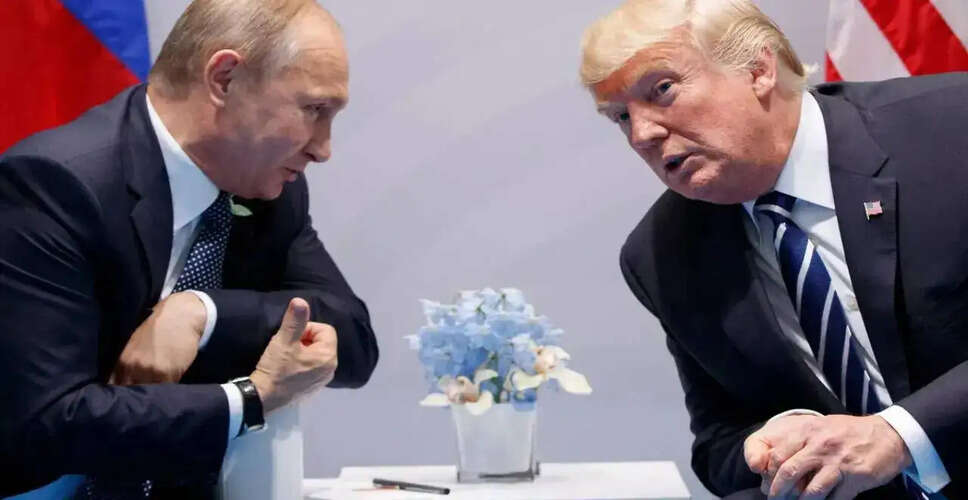
In a recent phone conversation, Russian President Vladimir Putin suggested to President Trump the idea of transferring Iran's highly enriched uranium to Russia as part of a larger strategy to conclude the ongoing conflict. However, Trump declined the proposal, according to reports. This suggestion was not entirely unexpected, as Russia possesses the necessary infrastructure to manage enriched uranium safely, having previously stored Iran's low-enriched uranium under the 2015 nuclear agreement. Logistically, Russia is among the few nations capable of handling such materials, yet Trump opted against the offer.
Significance of the Uranium Stockpile
Currently, Iran has around 450 kilograms of uranium enriched to 60%, a level that can be rapidly converted into weapons-grade material. Experts indicate that this quantity could potentially be used to create over ten nuclear weapons. Securing or eliminating this stockpile is a primary goal of the US-Israeli military efforts. A deal that would transfer the uranium out of Iran without necessitating American or Israeli ground forces would theoretically address a critical concern without the risks associated with a military operation. This context made Putin's proposal noteworthy, despite its rejection by Washington.
Previous Offers and Iran's Stance
This is not the first time such a proposal has been made. Reports indicate that Russia had previously suggested similar arrangements during nuclear discussions last May, prior to US and Israeli strikes on Iran's nuclear sites in June, and again before the current conflict escalated. A US official noted, "This is not the first time it was offered. It hasn't been accepted. The U.S. position is we need to see the uranium secured." Iran has also previously dismissed the idea of transferring the uranium, instead advocating for its dilution under the supervision of the International Atomic Energy Agency. It remains uncertain if Iran's position has changed since the onset of the war.
US Defense Secretary Discusses Options
During a press conference, Defense Secretary Pete Hegseth addressed the uranium issue, confirming that the US has several strategies available, although he did not elaborate on them. One possibility he mentioned is Iran voluntarily relinquishing its stockpile, which the US would welcome. However, he refrained from revealing specific details, stating, "I would never tell this group or the world what we're willing to do or how far we're willing to go, but we have options, for sure." There are indications that the US and Israel have contemplated deploying special forces into Iran to secure the nuclear stockpile later in the conflict. Trump, in an interview, remarked that the uranium issue is not an immediate concern but may become one in the future.
Trump Acknowledges Russian Support for Iran
During the call with Putin, Trump made a significant acknowledgment regarding Russia's support for Iran amid the conflict, marking his first public recognition of Moscow's assistance. He stated, "I think he might be helping them a little bit, yeah," framing it as a mutual understanding among major powers. He added, "And he probably thinks we're helping Ukraine, right? So he says that, and China would say the same thing. It's like, hey, they do it and we do it, in all fairness."
Conclusion
Putin's proposal presented a potential solution to a critical aspect of the Iran situation, but Trump declined the offer. Consequently, the uranium remains in Iran, the conflict persists, and Washington maintains that it has strategies for addressing the stockpile that it is not yet prepared to disclose. The nature of these options and their potential implementation remains a crucial question in the ongoing conflict.