
Protests Disrupt Rubio's Senate Testimony on Cuba Policy
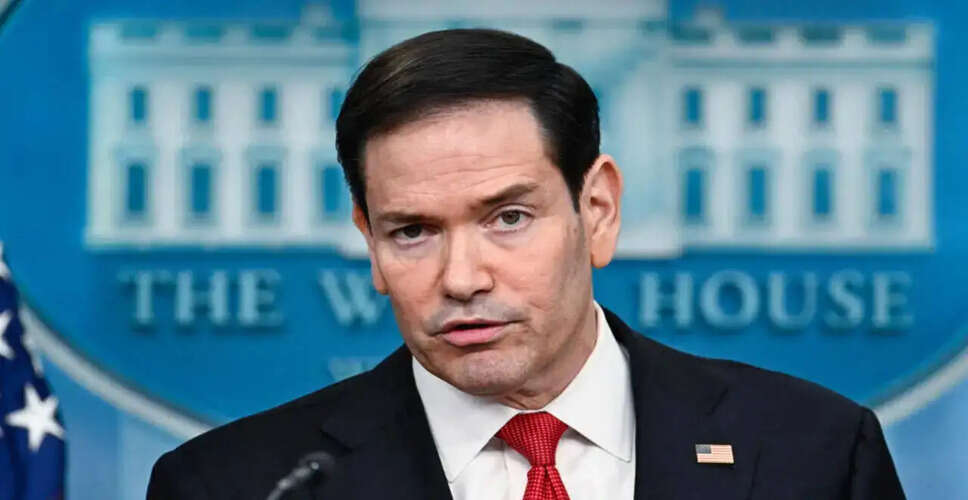

Protests Erupt During Senate Hearing
On Tuesday, Secretary of State Marco Rubio encountered immediate protests as he entered a crowded Senate briefing room for his congressional testimony. Demonstrators were heard chanting accusations regarding U.S. policies towards Cuba. Footage captured the moment Rubio walked in, with a protester shouting, “Marco Rubio, stop killing Cubans!” and “Repent, Marco Rubio!” Other chants included “Let Cuba live!” along with calls for divine forgiveness for his actions. Security personnel swiftly removed the protesters from the venue.
A small group of demonstrators outside the hearing room was also taken into custody. They voiced slogans like “Rubio lies. People with AIDS die” and “One child dies every 30 minutes,” emphasizing the humanitarian consequences of the long-standing U.S. sanctions on Cuba. Some protesters who were not arrested managed to find seats at the back of the room for the 10 a.m. testimony.
Rubio's Stance on Cuba
Marco Rubio, whose parents fled the communist regime in Cuba, has consistently criticized the governments of Castro and Díaz-Canel. As a senator and now Secretary of State under the Trump administration, he has pushed for continued sanctions against Havana, arguing that they are aimed at the regime's leadership rather than the general populace. His supporters view this approach as a principled stance against authoritarianism, influenced by his family's history and the documented repression and economic failures in Cuba.
However, critics, including the protesters, contend that these broad sanctions worsen the plight of ordinary Cubans, leading to shortages of essential goods like medicine and food. They cite ongoing issues with HIV/AIDS treatment, child malnutrition, and economic collapse as proof that U.S. policies result in collective punishment for the Cuban people.
Context of the Hearing
This testimony occurs amidst wider discussions on U.S. foreign policy, including strategies regarding Venezuela, Iran, and other critical regions. Recent high-profile hearings featuring Rubio and other Trump administration officials have seen increased disruptions. Committee leaders have warned that further interruptions could lead to arrests and bans from the Capitol.
Despite the protests, Rubio remained composed, continuing his testimony as photographers documented the scene. Many conservative commentators praised his demeanor, noting the irony of a Cuban-American being accused of harming Cubans by activists perceived as sympathetic to the regime.
Public Reactions
Supporters of Rubio characterized the protests as actions by communist sympathizers or activists engaging in political theatrics, asserting that Rubio excels at exposing such hypocrisy. Conversely, critics labeled the sanctions ineffective after over 60 years, accusing the U.S. of prioritizing regime change rhetoric over providing tangible relief for the Cuban populace.
This incident highlights the ongoing divisions regarding Cuba policy that have persisted through various administrations. While some advocate for engagement and the lifting of sanctions to alleviate suffering, hardliners like Rubio argue that only sustained pressure can induce democratic reforms on the island. As Rubio articulates America's foreign policy priorities, this brief yet intense confrontation serves as a reminder of the passionate and polarized debates surrounding U.S. involvement in Latin America. Security measures were promptly enacted, allowing the hearing to continue.