
Progress in US-Iran Negotiations: Key Developments from Switzerland Summit
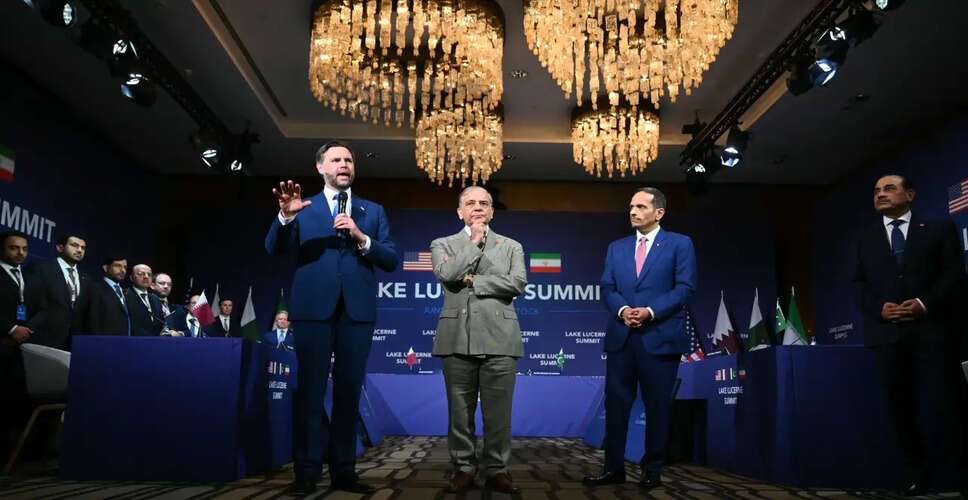

Significant Talks in Switzerland
The initial round of high-level discussions under the Islamabad Memorandum of Understanding has wrapped up in Switzerland. Mediators from Qatar and Pakistan reported what they termed as "promising advancements" towards a comprehensive agreement between the United States and Iran. These discussions took place at the Burgenstock resort, which overlooks Lake Lucerne, and represent the first formal diplomatic engagement since both nations agreed on a framework aimed at resolving ongoing conflicts and initiating talks on long-term security arrangements.
Delegates from Iran, the United States, Qatar, and Pakistan participated in this summit, which concentrated on executing the provisions of the Iran Peace Deal and creating mechanisms to avert further escalation in the Middle East. A joint statement from Doha and Islamabad indicated that the discussions were held in a "positive and constructive atmosphere," leading to several agreements that will guide negotiations in the upcoming two months.
This summit follows the recent signing of the Islamabad Memorandum of Understanding, which has ceased hostilities between the United States and Iran, reopened diplomatic channels, and set a 60-day timeline for achieving a broader settlement that encompasses nuclear issues, sanctions, and regional security concerns. Officials involved in the discussions noted that technical negotiations would persist throughout the week as diplomats work to transform the political framework into a binding agreement.
Formation of High-Level Committee for Oversight
A notable outcome from the Lake Lucerne Summit was the establishment of a High-Level Committee responsible for overseeing the mediation process. This committee will receive regular updates from chief negotiators from both nations while supervising specialized working groups that focus on critical areas of disagreement.
As per the joint statement, these dedicated working groups will delve into nuclear issues, sanctions, monitoring mechanisms, and dispute resolution procedures. This structure aims to ensure effective implementation of the commitments made under the memorandum while minimizing the risk of misunderstandings between the involved parties.
The committee has also sanctioned a roadmap aimed at achieving a final settlement within the next 60 days. Diplomats familiar with the situation have described this timeline as ambitious, reflecting the urgency felt by all parties to solidify the ceasefire and prevent any resurgence of regional instability. These discussions are particularly crucial as they create a formal mechanism for Washington and Tehran to tackle contentious issues directly, rather than relying solely on indirect communication through intermediaries.
Addressing Regional Flashpoints
The summit also yielded agreements focused on two of the most sensitive regional flashpoints associated with the Iran War. Negotiators reached an agreement to set up a direct communication line between the parties to avert incidents and miscalculations during commercial transit through the Strait of Hormuz, a vital maritime corridor.
This communication channel is expected to remain operational throughout the 60-day negotiation period, aimed at ensuring the safe passage of commercial vessels through this critical waterway, which handles a significant share of global oil and liquefied natural gas shipments, making regional stability essential for global markets.
Furthermore, participants agreed to create a de-confliction cell involving Iran, the United States, and Lebanon, with Qatar and Pakistan serving as facilitators. This mechanism is intended to monitor adherence to commitments regarding the cessation of military operations in Lebanon and to mitigate the risk of renewed clashes among regional actors.