
Potential New Talks Between the US and Iran on the Horizon

Upcoming US-Iran Negotiations
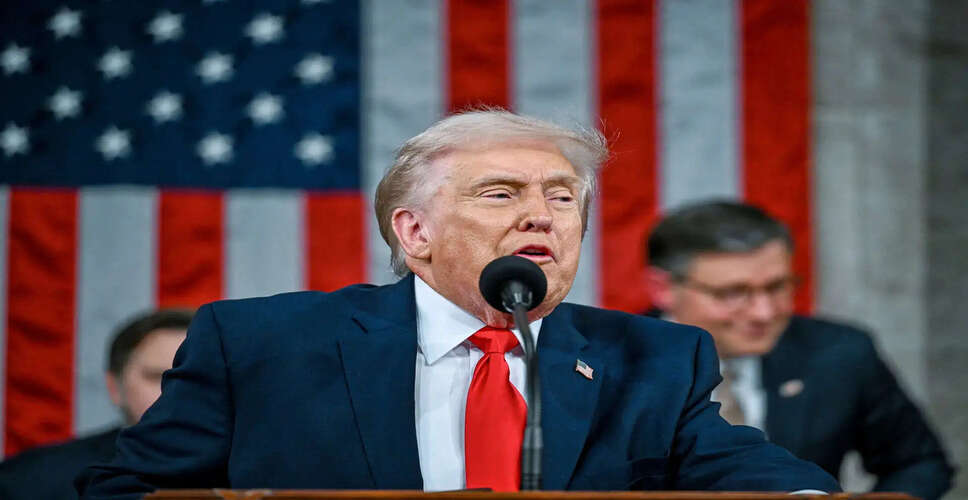
President Donald Trump has suggested that the United States might initiate the next phase of discussions with Iran within the next 72 hours, hinting at "good news" potentially arriving as early as Friday. According to sources referenced by a major publication, there appears to be growing momentum for renewed dialogue. When questioned about the possibility of these talks taking place in Islamabad, Pakistan's capital, Trump responded with a succinct, "It's possible! President DJT." This timeline is reportedly influenced by mediation efforts from Pakistan.
Despite these indications, uncertainty still looms over the negotiations. The US has indefinitely extended the current ceasefire and paused direct military actions, yet Iran has not confirmed its willingness to return to the negotiating table. This ceasefire extension allows Iran additional time to formulate a comprehensive proposal.
In a recent statement, Trump mentioned, "I have instructed our Military to maintain the Blockade and remain prepared, thus extending the Ceasefire until their proposal is submitted and discussions are finalized, one way or another." However, the messaging from Washington has not been entirely clear. While some officials suggest that the opportunity for talks may be limited, a source indicated that there is no set deadline for the ceasefire's duration.
Iran's Hesitation on Renewed Negotiations
On the Iranian side, there appears to be a lack of urgency to re-engage in talks. Foreign ministry spokesperson Esmaeil Baqaei stated that Tehran has not yet made a decision regarding its participation, expressing skepticism about Washington's intentions. "We entered negotiations with sincerity, but the US has shown a lack of good faith," he remarked. Baqaei added that Iran has not yet determined whether it will join the upcoming peace negotiations with the US planned for later this week.
Iranian leadership has linked any progress to real-world developments, particularly the ongoing maritime blockade. Mohammad Bagher Ghalibaf, Speaker of the Iranian Parliament, emphasized that any advancement depends on a complete and credible ceasefire. He stated, "A complete ceasefire is only meaningful if it is not undermined by the maritime blockade and the economic hostage-taking, and if the aggressive actions by the Zionists are halted; reopening the Strait of Hormuz is unfeasible under such blatant violations of the ceasefire."