
Pentagon Plans to Reduce U.S. Troop Presence in Germany Amid NATO Tensions

U.S. Troop Withdrawal from Germany
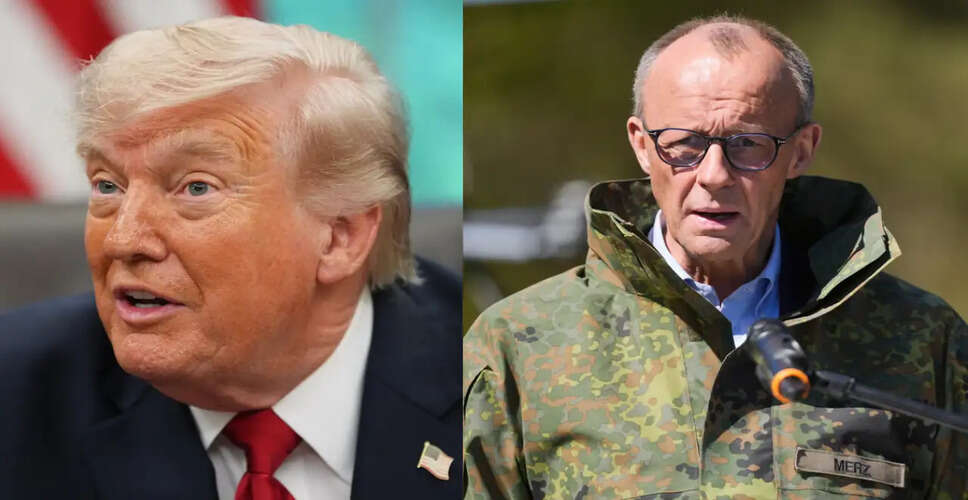
The Pentagon is set to withdraw approximately 5,000 American soldiers from Germany, a decision that senior defense officials attribute to increasing frustration within Donald Trump's administration regarding the involvement of European allies in the ongoing tensions with Iran. This planned troop reduction is seen as a clear indication of Trump's dissatisfaction with what he perceives as insufficient support from NATO allies. The president has openly criticized Friedrich Merz and other leaders of the alliance for not actively participating in the U.S. military efforts against Iran.
Since the end of World War II and throughout the Cold War, the United States has maintained a substantial military presence in Germany. As of December last year, over 36,000 active-duty personnel were stationed in the country, along with nearly 1,500 reservists and 11,500 civilians. Germany is also home to critical strategic facilities, including the headquarters of U.S. European Command and Africa Command, as well as Ramstein Air Base, which serves as a key operational hub.
Defense officials indicated that some of the troops withdrawn from Europe might return to the U.S. before being redeployed to other locations, particularly in alignment with the Pentagon's focus on domestic priorities and the Indo-Pacific region. However, they assured that this withdrawal would not affect medical evacuations to Landstuhl Regional Medical Center, the largest U.S. military hospital outside the country, which has treated personnel injured in Iranian attacks.
Tensions between Trump and Merz have intensified recently, with the German chancellor criticizing the U.S. strategy towards Iran, claiming that Washington lacks a coherent approach and is being 'humiliated' in negotiations. Trump responded forcefully, stating that Merz 'doesn’t know what he’s talking about' and accused him of meddling.
This disagreement underscores the broader strains between the U.S. and its NATO allies, many of whom have refrained from direct involvement in the Iran conflict while grappling with rising energy prices. Trump has frequently criticized NATO, even suggesting the possibility of withdrawing from the alliance, although a law enacted in 2023 mandates congressional approval for such a decision. During his first term, Trump had contemplated reducing U.S. troop levels in Germany, but that plan was ultimately reversed.