
Palestine to Conduct First Legislative Elections in 20 Years
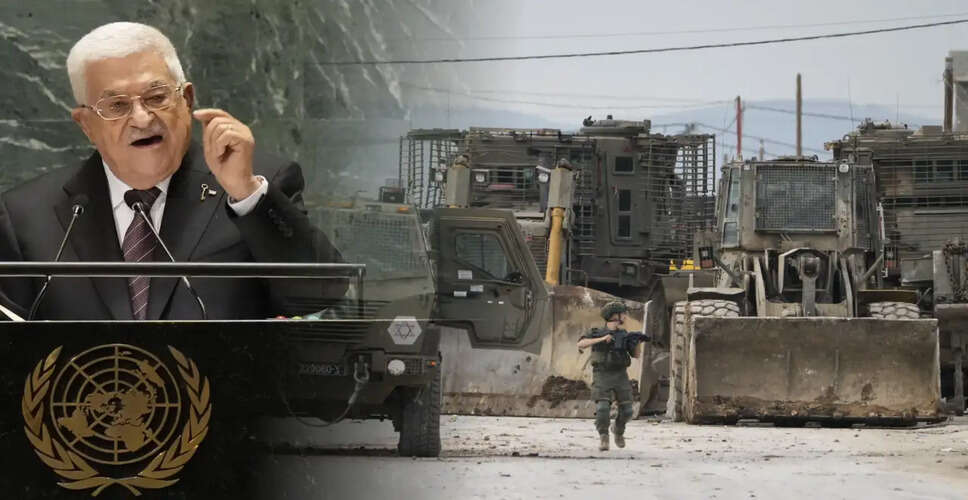

Upcoming Legislative Elections in Palestine
Palestine is preparing for its first legislative elections in nearly two decades, as President Mahmoud Abbas has announced a decree scheduling the vote for November 28, 2026. If realized, this election will allow Palestinians in Jerusalem, the West Bank, and Gaza to elect representatives to the Palestinian Legislative Council (PLC), marking an end to a lengthy period without an active elected body. The last elections took place in 2006, where Hamas emerged victorious over Abbas's Fatah party, leading to a political divide that resulted in Hamas governing Gaza while the Palestinian Authority manages parts of the West Bank. The PLC has not convened since 2007. The official Wafa news agency reported that the presidential decree urges the Palestinian populace in the specified regions to engage in free and direct elections for the PLC on the designated date. However, the feasibility of conducting elections across these politically distinct territories remains uncertain.
Reasons Behind the Long-Awaited Elections
The announcement of elections comes amid increasing demands for the Palestinian Authority to reform its institutions and address concerns regarding its political legitimacy. Abbas, who is now 90 years old, last won a presidential election in 2005 for a term that was supposed to last four years, but no presidential elections have occurred since then. He has continued to govern through presidential decrees, facing criticism from both the Palestinian people and international allies. While the recent decree focuses solely on legislative elections, a separate order issued in June indicated that presidential elections are planned for 2027. Ghassan Khatib, a political science expert at Birzeit University, noted that the prolonged absence of elections has exacerbated the disconnect between Palestinian leaders and the general public. He stated, 'There is a sentiment that Palestinian legitimacy has diminished due to the extended period without elections,' emphasizing the need for a renewal of leadership. The lack of a functioning legislative council for such an extended time has significantly harmed the political framework. Additionally, international pressure is mounting, with the European Union, a key financial backer of the Palestinian Authority, advocating for governance reforms as the PA grapples with a severe financial crisis.
Hamas's Participation in the Legislative Elections
The possibility of Hamas participating in the upcoming elections remains uncertain. A new election law signed by Abbas last month mandates that candidates must endorse the political agenda of the Palestine Liberation Organization, which includes recognizing Israel and supporting a two-state solution—positions that Hamas has historically rejected. This requirement could hinder Hamas and its affiliates from taking part in the November elections, although no final decision on their eligibility has been made public. This issue is particularly crucial, as the 2006 legislative elections resulted in a Hamas victory over Fatah, leading to a political schism that has influenced Palestinian politics for the past twenty years. In a related development, Hamas has declared its intention to dissolve its governing body in Gaza to facilitate a transfer of power to a technocratic committee established under the US-brokered ceasefire agreement from October 2025, although this committee has yet to enter Gaza. While the election date is set, the path to the polls remains fraught with uncertainty.