
Pakistan's Role in Iran-Saudi Arabia Pact: A Strategic Move
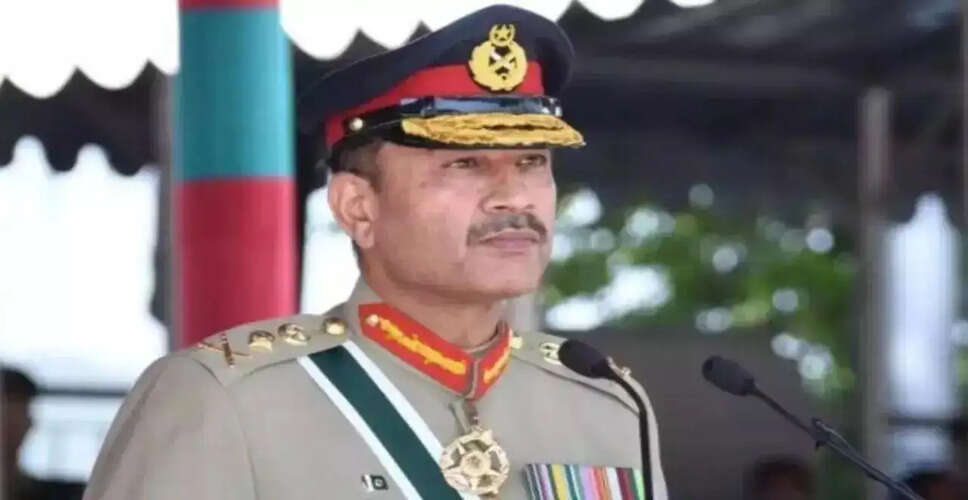

Pakistan Army Chief's Diplomatic Maneuvering
General Asim Munir, the chief of the Pakistan Army, has reportedly utilized his commercial ties with a senior Iranian military leader to facilitate a secret agreement between Iran and Saudi Arabia. This arrangement has led to a cessation of Iranian missile attacks on Saudi territory, as reported by a prominent news outlet. The information was sourced from three anonymous individuals, including a diplomat from the Middle East and a regional intelligence officer, who were aware of the negotiations.
The deal is said to have been finalized in late March, coinciding with the early stages of the ongoing tensions involving the US, Israel, and Iran. Initially, Saudi Arabia faced a series of Iranian missile strikes, but these hostilities reportedly stopped following the establishment of the agreement.
General Munir is believed to have leveraged a joint oil transport initiative with Ahmad Vahidi, the commander of Iran's Islamic Revolutionary Guard Corps (IRGC), during the negotiations. This commercial operation has been facilitating the transfer of Iranian oil into Pakistan since late last year, continuing despite international sanctions on Iranian energy exports. This partnership has yielded significant financial benefits for both nations, particularly as Iran grapples with a US maritime blockade affecting its shipping and oil trade.
According to one official, General Munir warned Vahidi that ongoing missile strikes on Saudi Arabia could jeopardize the future of their joint oil venture. Following this warning, Iran is said to have halted further missile attacks against Saudi Arabia.
A regional intelligence source indicated that Islamabad's involvement aims to strengthen its strategic partnership with Riyadh by positioning itself as a crucial mediator during this regional crisis, thereby increasing Saudi Arabia's dependence on Pakistan. However, a Middle Eastern diplomat criticized the reported agreement, arguing that it essentially rewards Iran's military aggression towards neighboring countries. The diplomat expressed concerns that this understanding legitimizes 'ransom payments' by allowing Tehran to gain concessions from regional states looking to avoid becoming targets in the broader conflict.