
Pakistan's PM Condemns Regional Escalation Amid US-Iran Tensions
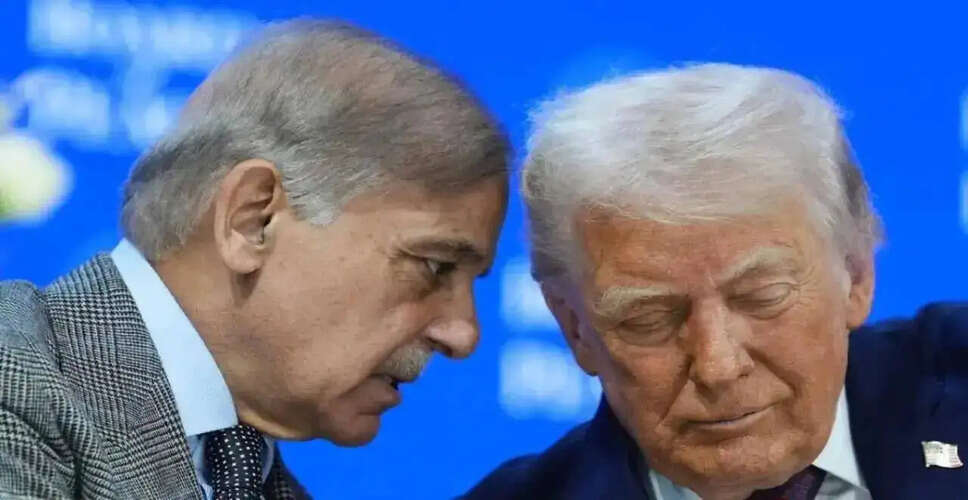
Pakistan's Stance on Middle East Conflict
On Saturday, as missiles were launched across the Middle East, Gulf nations found themselves entangled in the intensifying conflict between the US and Iran. In response, Pakistan's Prime Minister Shehbaz Sharif utilized X to articulate his government's position. He stated, "I had a conversation with my esteemed brother, HRH Crown Prince Mohammed bin Salman, this evening to convey Pakistan's strong condemnation of the alarming regional escalation following the Israeli assault on Iran and the subsequent attacks in the Gulf region." He further emphasized, "Pakistan stands firmly with Saudi Arabia and our Gulf allies during this critical time. We are prepared to contribute positively towards peace and hope that the blessings of Ramadan will usher in calm and stability in our region."
Such diplomatic remarks are typical during regional crises, yet the reaction they elicited was anything but standard.CMShehbaz
2027756179066392803
Criticism of Pakistan's Diplomatic Approach
'Identify the True Oppressor'
One of the most critical responses came from Ali Haider Zaidi, a member of the opposition PTI party, who challenged Sharif's statement by asking, "PM Sahib: Do you possess the courage to identify the true oppressor? Can you even name them? Or will you continue to propagate the Nobel Prize narrative and the tale of how Southeast Asia was 'saved,' without confronting the complete truth? True courage begins with naming the real oppressor, rather than merely flattering egos and offering embraces!"
AliHZaidiPTI
2027766420852117612
This critique highlighted what many perceived as a significant flaw in Sharif's statement: it condemned the "escalation" and expressed solidarity with Gulf partners without explicitly naming the United States, whose military actions against Iranian territory initiated the current turmoil in the region. Others echoed this sentiment, pointing out the irony of Pakistan attempting to position itself as a mediator for peace in the Middle East, given its history of supporting terrorism. The notion of Islamabad seeking to foster stability abroad struck many observers as contradictory, to say the least.