
Pakistan's Mediation Efforts in US-Iran Conflict Face Setbacks
Pakistan's Role in US-Iran Peace Talks
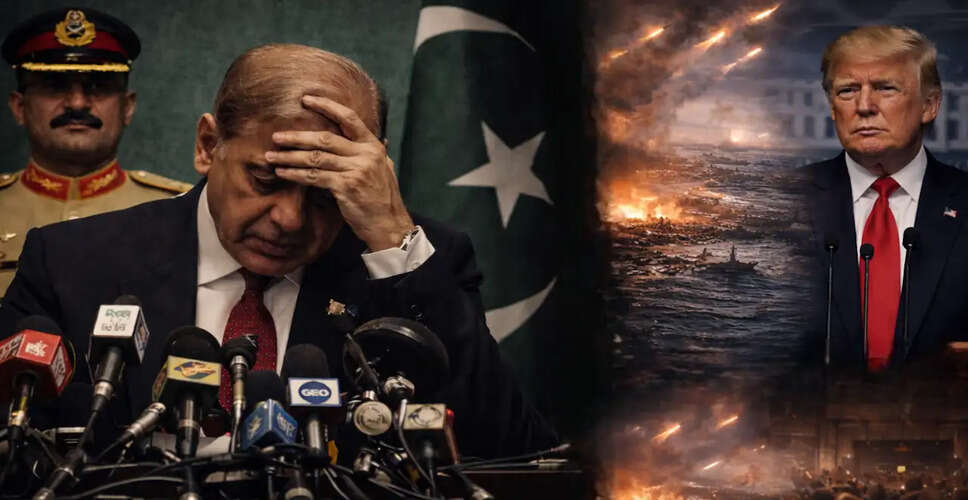
Following the breakdown of Pakistan's mediation attempts aimed at establishing a ceasefire between the United States and Iran, Islamabad has dismissed reports suggesting the initiative's failure. Last month, Prime Minister Shehbaz Sharif expressed his willingness to mediate between Washington and Tehran via a post on X, which garnered attention, including a repost from Donald Trump. This sparked some diplomatic activity from Gulf Cooperation Council (GCC) nations, who were hopeful for a reduction in hostilities. However, Iran, the key player in this scenario, has consistently rejected any notion of a ceasefire, expressing skepticism towards Pakistan's proposed discussions. Iran has cited trust issues stemming from past US actions, including a joint operation that resulted in the death of Supreme Leader Ayatollah Ali Khamenei, despite ongoing talks in Geneva at that time. Iran has firmly stated its lack of faith in diplomatic negotiations and has vowed to continue its resistance against perceived aggressors.
Analysts' Perspectives on Pakistan's Mediation Efforts
Despite Pakistan's proposal to facilitate peace talks between the US and Iran, analysts and geopolitical experts remain skeptical about Islamabad's capability to effectively mediate. Many argue that Pakistan is currently preoccupied with its own conflicts, particularly with the Taliban in Afghanistan, which undermines its credibility in resolving international disputes. The prevailing sentiment is that a nation struggling with internal issues may not inspire confidence in its ability to address global challenges.
Speculations on Pakistan's Motives for Mediation
Some geopolitical analysts suggest that one potential motive behind Pakistan's mediation efforts could be to influence global oil prices. It is speculated that the US may have encouraged Islamabad to initiate peace talks to create a perception of stability in the oil market, thereby maintaining price levels while preparing for further actions against Iran.
Iran's Reaction to Pakistan's Mediation Attempts
On Friday, reports indicated that Iran had declined to engage with any US-led delegation in Pakistan, effectively nullifying Islamabad's attempts to position itself as a mediator in the West Asia conflict. The Wall Street Journal noted that Iran deemed the US's demands as unacceptable, further delaying any potential resolution to the ongoing crisis. Although Pakistan has attempted to leverage its diplomatic influence by communicating with both the Iranian and US parties, the significant trust deficit has led Iran to resist allowing Islamabad to play a role in negotiations. Nevertheless, there are indications that Iran may consider mediation efforts facilitated by Qatar, another influential player in the region.