
Pakistan's Asim Munir Visits Iran Amid US-Iran Tensions
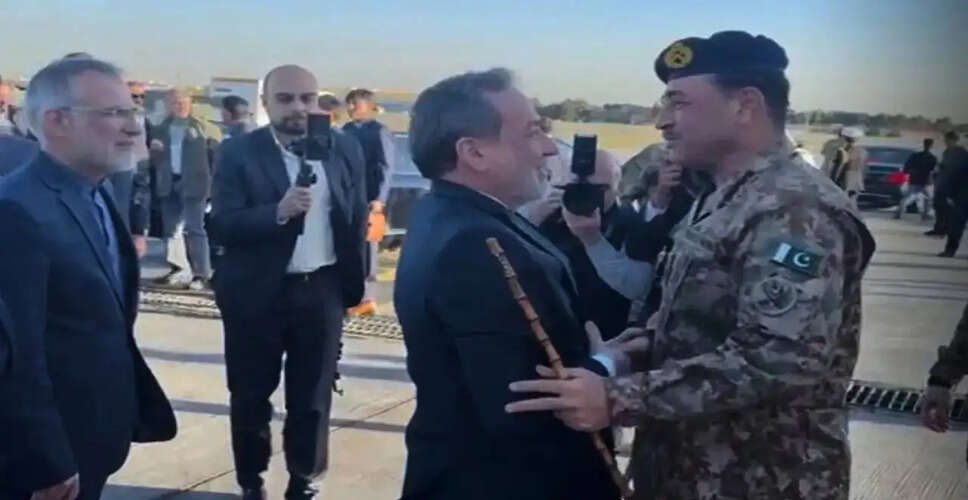

Pakistan's Diplomatic Mission to Iran
Field Marshal Asim Munir of Pakistan has arrived in Iran following unsuccessful peace negotiations between the United States and Tehran. Munir is at the helm of a delegation that includes Pakistan's interior minister, Mohsin Naqvi, aiming to rekindle discussions with Iranian officials regarding a potential peace agreement with the US. This visit comes amidst rising tensions in the Middle East, where both nations have been exchanging threats amid ongoing conflicts.
The Inter-Services Intelligence (ISI) of Pakistan confirmed the delegation's arrival in Tehran, stating, "Field Marshal Asim Munir and Mohsin Naqvi, along with their team, are in Tehran as part of ongoing mediation efforts." Iranian Foreign Minister Abbas Araghchi greeted the delegation upon their arrival. This diplomatic mission coincides with Prime Minister Shehbaz Sharif's official trips to Saudi Arabia, Qatar, and Turkey, as regional conflicts persist.
Purpose of Asim Munir's Visit and Future Talks
As diplomatic channels remain active between the US and Iran, former President Donald Trump indicated that a second round of discussions could take place in Islamabad within the next few days. In an interview with a media outlet, Trump suggested, "You should stay there, really, because something could be happening over the next two days, and we're more inclined to go there."
Shehbaz Sharif's Regional Engagements
Prime Minister Shehbaz Sharif's visits to Saudi Arabia and Qatar are focused on enhancing bilateral relations and discussing regional peace and security, as stated by the Foreign Office. These efforts are part of a broader initiative to assist the US and Iran in reaching a resolution to their ongoing disputes.
Outcomes of the Recent Islamabad Talks
Last weekend, the US and Iran engaged in direct discussions in Pakistan aimed at resolving their differences, but the talks concluded without a consensus. US Vice President JD Vance, who led the American delegation, noted that the negotiations faltered primarily due to Iran's refusal to abandon its nuclear program. Conversely, Iran attributed the failure to what they termed "excessive demands" from the US side. Iranian Parliament Speaker Mohammad Bagher Ghalibaf, who led the Iranian team, expressed that while they proposed constructive initiatives, the US delegation failed to build trust during this round of negotiations. Pakistani officials anticipate a second round of talks in the near future, with Pakistan actively facilitating these discussions. The conflict escalated following US and Israeli strikes on Iran on February 28, which severely impacted global energy markets and trade.
With inputs from various sources