
Pakistan Seeks $10 Billion from US to Boost Foreign Exchange Stability

Pakistan's Financial Strategy Shift
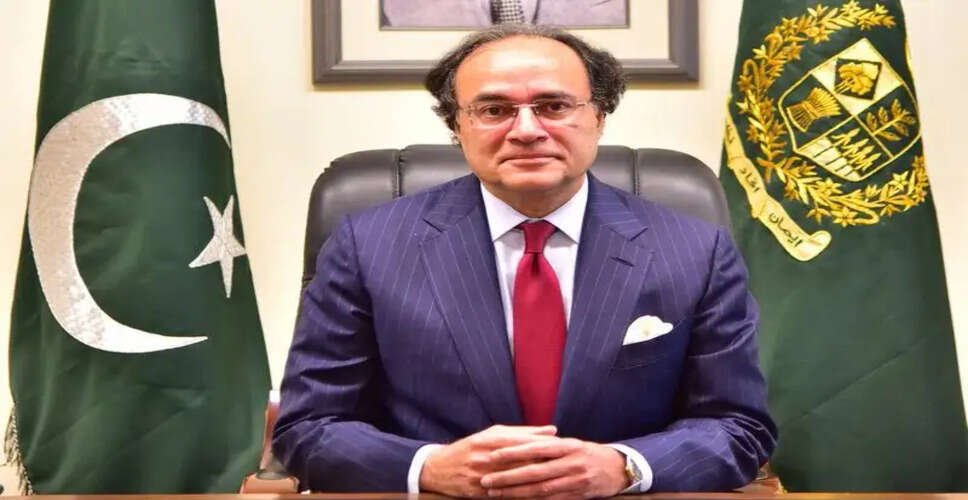
Islamabad: Pakistan is pursuing a $10 billion financial facility from the United States to enhance its foreign exchange reserves and instill confidence among global investors, as stated by Finance Minister Muhammad Aurangzeb. This move is part of the nation's strategy to lessen its reliance on emergency funding from allied nations.
Aurangzeb revealed that discussions with the US Treasury Department are ongoing, although no formal agreement has been finalized yet, according to an interview with a local media outlet published on Thursday.
The initiative aims to bolster foreign exchange stability and convey a positive message to international capital markets, rather than simply securing a traditional loan or credit line.
He emphasized that this is not merely about obtaining a loan; it is a signal regarding the stability of the currency and foreign exchange, which would enable Pakistan to access the market more effectively.
For several years, Pakistan has faced challenges regarding its external payments and narrowly avoided default in 2023, thanks to timely assistance from the International Monetary Fund (IMF) and other bilateral partners.
Currently, the country is executing a $7 billion IMF assistance program that was agreed upon in 2024, while also striving to enhance its creditworthiness and regain consistent access to international capital markets.
The proposed $10 billion Exchange Stabilisation Support Facility from the US is part of Pakistan's effort to transition away from a financing model that has heavily depended on loans and deposits from friendly nations.
Aurangzeb noted that the government is focused on shifting towards market-based financing with longer repayment terms, rather than relying on short-term bilateral rollovers.
While some initiatives may succeed, others might face challenges, he acknowledged, but the government is committed to reducing its dependence on such arrangements.
The minister expressed gratitude to bilateral partners for their support over the past decade, especially in the last three years, but indicated that the financing strategy is being recalibrated.
He mentioned that the government is collaborating with international credit rating agencies to improve Pakistan's sovereign rating, which has remained stagnant since 2003-04.
Aurangzeb stated, "We aim to achieve at least a B+ rating."
A higher sovereign rating would facilitate easier and potentially cheaper borrowing from international markets, allowing for debt with longer maturities.
Additionally, the minister indicated that Islamabad is in talks about how to eventually exit some existing financing arrangements and anticipates feedback from either Exim Bank or the US Treasury by the end of September.
Pakistan's financial vulnerability has been a persistent issue, with the country frequently relying on the IMF and friendly nations to fill external financing gaps and avert default.