
Pakistan Seeks $10 Billion Currency Support from the US Amid Economic Struggles

Pakistan's Request for Financial Assistance
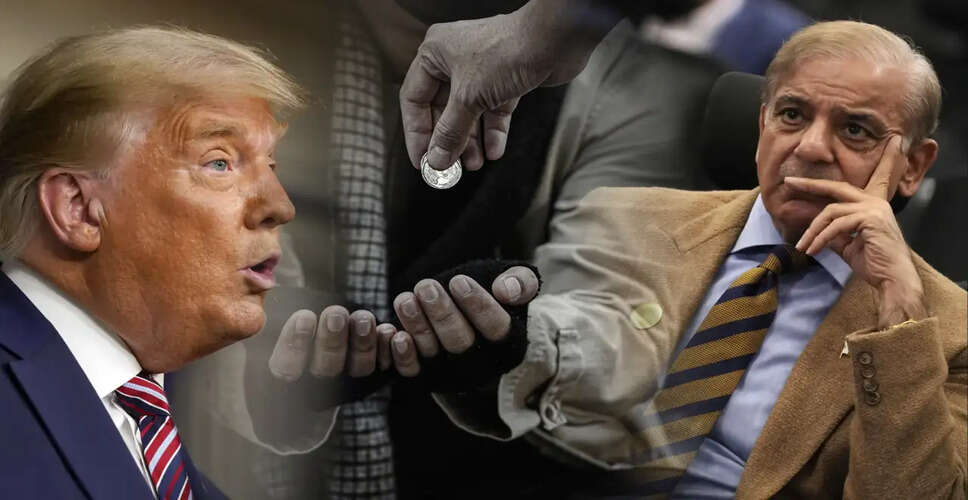
In a bid to strengthen its foreign exchange reserves and alleviate economic pressures, Pakistan has approached the United States for a $10 billion currency support facility. This move follows Pakistan's involvement in mediating discussions related to the Iran conflict, which Islamabad believes has enhanced its diplomatic relations with Washington. According to reports, this request represents one of the most significant financial appeals from Pakistan to the US in recent years, coinciding with the country's ongoing economic reforms under an International Monetary Fund (IMF) bailout program.
Details of the Proposed Currency Support Facility
Pakistan Requests Five-Year US Currency Support Facility
As per sources familiar with the negotiations, Pakistan has reached out to US Treasury Secretary Scott Bessent to establish a Bilateral Exchange Stabilisation Support Facility. This proposed agreement would span up to five years, aimed at bolstering Pakistan's foreign exchange reserves, stabilizing the Pakistani rupee, and ensuring financial stability during a challenging economic transition. If granted, this facility would provide Islamabad with a financial buffer, reducing its reliance on emergency multilateral aid and sporadic IMF funding.
Economic Challenges Under IMF Program
Economic Relief Amid IMF Reform Programme
Currently, Pakistan is under a $7 billion IMF Extended Fund Facility, which mandates the government to implement stringent fiscal measures, including increased taxes and structural reforms to stabilize the economy. The country narrowly avoided a sovereign default in 2023 after securing a $3 billion Stand-By Arrangement from the IMF, followed by negotiations for the larger $7 billion program. Additionally, Islamabad received a $1.3 billion loan from the IMF aimed at enhancing climate resilience and disaster preparedness. Despite these efforts, Pakistan's foreign exchange reserves remain heavily dependent on official financing, loan rollovers, and deposits from allies such as China and Saudi Arabia.
Diplomatic Engagement with Iran
Iran Mediation Raises Diplomatic Expectations
This financial request comes on the heels of Pakistan's diplomatic role in facilitating communications related to the Iran conflict, which has improved its standing with both the US and regional players. Islamabad has positioned itself as a potential mediator in efforts to ease tensions between the United States and Iran, with senior officials actively engaging in diplomatic outreach as conflicts escalated in the Middle East. Pakistani officials are optimistic that this enhanced diplomatic engagement will lead to increased economic cooperation, including financial aid and greater American investment.
Future Economic Cooperation Initiatives
Beyond the proposed currency support, Pakistan is looking to broaden its economic collaboration with the US across various sectors. Recent initiatives include a stablecoin agreement for cross-border transactions with a World Liberty Financial affiliate, discussions on redeveloping the Roosevelt Hotel in New York, and efforts to attract American investments in significant mining projects like the Reko Diq copper and gold venture. The US Export-Import Bank has already pledged $1.2 billion in financing for Reko Diq, indicating a growing economic partnership between Washington and Islamabad.
Potential Impact of the Currency Facility
Facility Would Reduce External Financing Pressure
Unlike the Federal Reserve's dollar swap arrangements available to select major economies, exchange stabilization facilities are specialized mechanisms backed by the US Treasury, designed to provide dollar liquidity and financial support that enhance a nation's foreign exchange reserves. For Pakistan, obtaining such a facility would alleviate immediate pressure on the rupee, improve reserve adequacy, and offer greater flexibility as the government navigates politically sensitive fiscal reforms. The approval of this request by Washington will likely hinge on Pakistan's economic outlook and the evolving strategic relationship following Islamabad's diplomatic efforts during the Iran conflict.