
Pakistan Investigates International Smuggling of Human Placentas for Anti-Aging Treatments

Investigation into Alleged Smuggling Network
Authorities in Pakistan are probing a suspected international smuggling ring accused of illegally acquiring and exporting human placentas from hospitals for use in premium anti-aging therapies abroad. The Federal Investigation Agency (FIA) reports that this syndicate was allegedly purchasing approximately 200 kilograms of human placenta monthly from medical facilities, processing it at an unauthorized site, and then shipping it overseas.
The investigation intensified following a raid in Islamabad last week, where officials uncovered nearly 500 kilograms of suspected human placenta being dried and processed. Five individuals were apprehended during this operation. Images released by the FIA depicted racks filled with dried tissue stored in trays within a residential property that had been transformed into an illegal processing facility.
In a separate incident on Wednesday, FIA agents intercepted another shipment of 100 kilograms of suspected human placenta at Islamabad International Airport, preventing it from being exported to Vietnam.
Details of the Alleged Operation
Investigators revealed that the suspects were allegedly acquiring placentas from hospitals in Islamabad and Rawalpindi for around 800 Pakistani rupees (approximately $2.90) each. It is believed that the tissue was dried, processed, and exported for use in anti-aging injections, with each treatment reportedly fetching around 700,000 Pakistani rupees (about $2,530). Authorities suspect that the network may extend beyond the capital, potentially linking to cities like Lahore, Peshawar, and Rawalpindi. They are also looking into whether immigration officials, hospital personnel, and waste management companies were complicit in this operation.
First Known Case of Placenta Smuggling
An FIA official informed BBC Urdu that while Pakistan has previously addressed illegal human organ trafficking, this marks the first documented case involving an organized international network dealing with human placentas. Initially, the suspects claimed they were processing sheep placentas, but during questioning, they later confessed that the material was human.
Legal Implications
According to Pakistani law, individuals found guilty of illegally harvesting or trading human organs for commercial gain can face up to 10 years in prison and fines reaching one million Pakistani rupees.
Regulations Surrounding Placenta
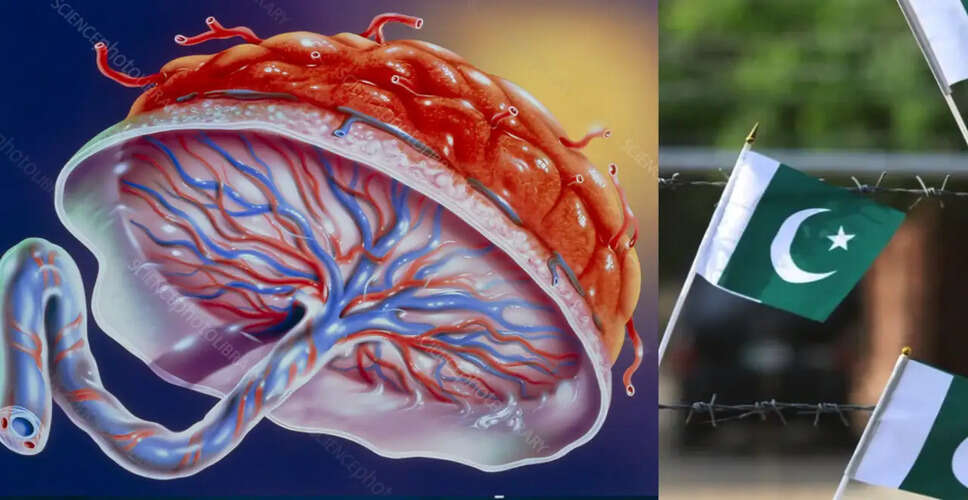
Medical professionals classify the placenta as infectious medical waste post-childbirth, necessitating disposal under stringent health regulations. Dr. Sadaf Tariq, a gynecologist in Pakistan, stated that only government-approved waste disposal companies are authorized to manage placental tissue, and hospitals must keep detailed records of its disposal. The placenta, a temporary organ formed during pregnancy, provides oxygen and nutrients to the fetus before being expelled after childbirth. Although some alternative health practitioners advocate for placenta-derived products—such as capsules and injections—claiming benefits like tissue regeneration and anti-aging, scientific support for these assertions is limited, and regulations governing their use differ significantly across various countries.