
Operation Epic Fury: A Closer Look at Iran's Military Resilience
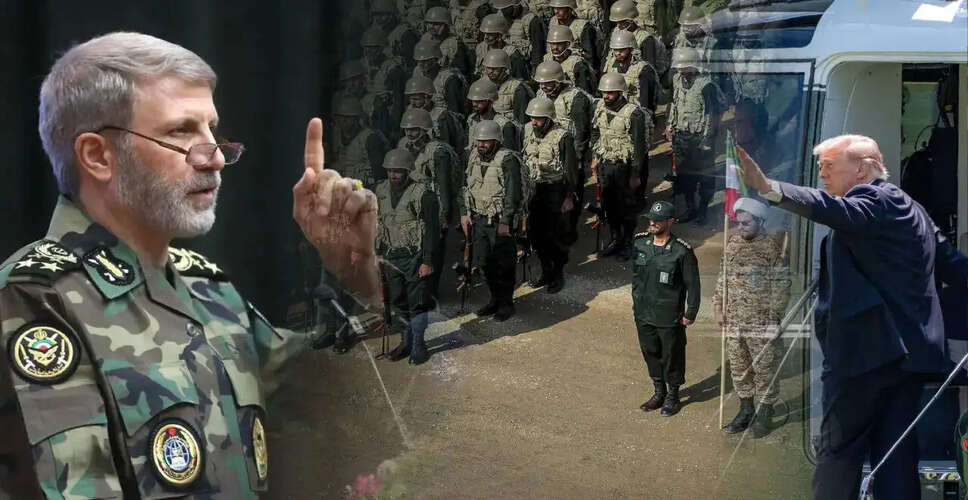

Overview of Operation Epic Fury
The Trump administration characterized Operation Epic Fury as a significant military achievement against Iran. High-ranking officials from the U.S. consistently asserted that Tehran's military capabilities had been severely diminished following weeks of coordinated strikes by U.S. and Israeli forces targeting missile sites, military installations, and key assets throughout the nation. However, classified intelligence reports suggest a more nuanced reality. According to a report from a prominent news outlet, new intelligence indicates that Iran still possesses considerable military capabilities despite the extensive bombardment.
Intelligence Findings on Iran's Military Capacity
President Donald Trump had consistently claimed that Iran was on the verge of military collapse. In a CBS News interview on March 9, he stated that Iran's missile capabilities had been reduced to a mere 'scatter' and asserted that the country had 'nothing left' in terms of military strength. This narrative was echoed by Defense Secretary Pete Hegseth, who announced the conclusion of Operation Epic Fury, asserting that the Iranian military had been 'decimated' and would be 'combat-ineffective for years.'
Intelligence Assessments Reveal Surprising Resilience
However, less than a month after these public statements, intelligence officials reportedly found that Iran had regained access to much of its military infrastructure. Classified reports suggest that Tehran retains nearly 70% of its pre-war missile stockpile, including ballistic missiles capable of regional strikes and cruise missiles for shorter-range operations. Furthermore, around 70% of Iran's mobile missile launchers are still operational, which is strategically significant as these systems are harder to target due to their ability to be concealed and quickly relocated.
White House Response and Ongoing Concerns
Despite these intelligence concerns, the White House continues to uphold its public narrative. In response to inquiries regarding the report, White House spokesperson Olivia Wales maintained that the Iranian military had been 'crushed' and accused critics of amplifying Tehran's narrative. She described claims of Iran's military recovery as 'virtual treason.' Pentagon press secretary Joel Valdez also criticized parts of the American media for misrepresenting Operation Epic Fury, which he described as a 'historic accomplishment.'
Strategic Importance of the Strait of Hormuz
The Strait of Hormuz: A Critical Maritime Corridor
One of the most alarming findings pertains to the Strait of Hormuz, a crucial maritime passage through which approximately one-fifth of the world's oil supply is transported daily. The U.S. Navy currently operates over 20 warships in the region as part of ongoing maritime enforcement efforts related to the conflict. Intelligence assessments indicate that Iran has regained access to 30 of its 33 missile sites along the waterway, raising concerns among senior American officials about the potential threat to commercial shipping and naval assets should hostilities resume.
These intelligence revelations come at a challenging time for U.S. military readiness, as the campaign against Iran has reportedly depleted significant American stockpiles of Tomahawk cruise missiles, Patriot interceptor systems, and other munitions. Replenishing these inventories is expected to take time, especially as U.S. defense manufacturers are already facing production pressures due to commitments related to Ukraine and global demand. While Trump administration officials publicly deny that U.S. munitions reserves are under strain, there are private concerns among European allies regarding the sustainability of future operations and Iran's ability to withstand strikes while maintaining its operational capabilities.