
Ongoing Protests in Iran Escalate Amid Government Crackdown
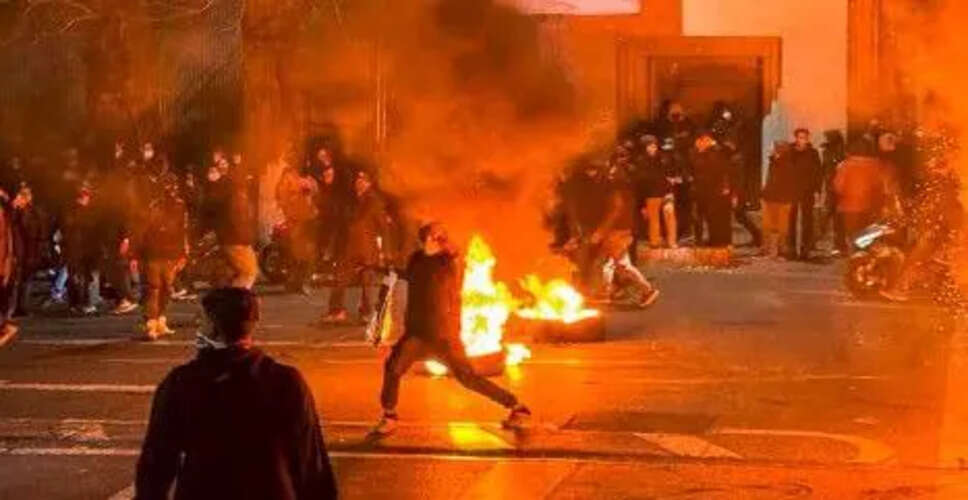
Protests Continue Despite Government Action
In Iran, protests that have persisted for three days show no signs of abating, even in the face of severe government measures. On Saturday, January 10, 2026, large crowds took to the streets nationwide, chanting against Supreme Leader Ayatollah Ali Khamenei and calling for the end of the Islamic Republic.
Economic Crisis Sparks Unrest
Initially ignited by an economic crisis characterized by the rapid devaluation of the Iranian rial, soaring inflation, and shortages of electricity and gas, the protests have now evolved into an anti-government movement. Demonstrators are demanding the restoration of the Pahlavi monarchy and greater freedoms.
Internet Blackout and Information Gaps
To curb the protests, the Iranian government implemented a nationwide internet blackout starting January 8, 2026. Experts suggest that this shutdown is more severe than those during the 2022 Women, Life, Freedom movement or the protests in 2019. Consequently, international media, including major outlets, are unable to report directly from within Iran, relying instead on verified videos, eyewitness accounts, and information from human rights organizations.
Violence and Casualties
The government has resorted to live fire and heavy repression against protesters. Reports indicate that over 2,000 demonstrators have been killed in the past 48 hours, with more than 500 total deaths and thousands arrested. Hospitals in cities like Tehran, Shiraz, and Mashhad are overwhelmed with injured individuals, many suffering from gunshot wounds.
An eyewitness reported seeing 'hundreds of bodies' scattered across the streets of Tehran. Nobel Peace Prize laureate Shirin Ebadi has warned that the internet blackout raises fears of a 'massacre.'
International Reactions
U.S. President Donald Trump has warned that military intervention could be on the table if Iran escalates violence against protesters. The UK, Germany, and France have issued a joint statement condemning the violence. In response, Iran has accused the U.S. of orchestrating a 'foreign conspiracy' behind the protests.