
Oil Prices Plummet as Strait of Hormuz Declared Open for Commercial Traffic

Significant Drop in Oil Prices
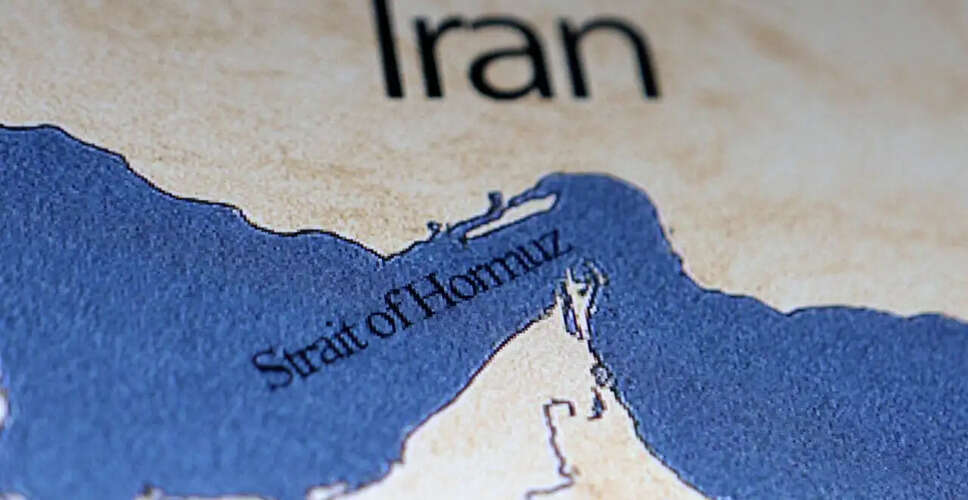
On Friday, oil prices experienced a notable decline following announcements from both President Donald Trump and Iran's foreign minister, indicating that the Strait of Hormuz, a crucial route for global energy shipping, is now open for commercial vessels. This news prompted traders to react swiftly, interpreting it as a potential easing of significant disruptions in global oil supply.
Details of the Announcement
Iran's Foreign Minister, Abbas Araghchi, shared on X that the strait is now "completely open for the remaining period of ceasefire," linking this development to a broader ceasefire agreement in Lebanon. He mentioned that the transit would adhere to a pre-established route set by Iran's Ports and Maritime Organisation.
araghchi
2045121573124759713
Market Reactions
Following the announcement, oil markets reacted sharply. Brent crude, the global benchmark, dropped to $88.90 per barrel, marking its lowest price in over a month, while WTI, the primary US oil reference, fell to $83.35. US stock futures, which were already on the rise, surged further after the news broke. Overall, oil markets saw a decline exceeding 10 percent, highlighting the significance traders place on any indication of the strait's reopening, which is vital for about a quarter of the world's seaborne oil trade.
Importance of the Strait of Hormuz
The Strait of Hormuz is a narrow waterway connecting the Persian Gulf to the ocean, playing a central role in global energy supply chains. Previous attempts by Iran to restrict traffic through this strait during conflicts have had widespread repercussions on energy markets worldwide. Thus, any credible indication of restrictions being lifted can lead to substantial price fluctuations.
Cautious Optimism
Despite the immediate market response, analysts and shipping experts urged caution. The announcements were perceived as vague and lacking in specifics, raising doubts about whether commercial shippers would feel secure enough to resume normal operations. Joseph Webster, a senior fellow at the Atlantic Council, noted that navigating the strait is complex, even in peaceful times, and shippers may be reluctant to pay any tolls imposed by Iran, especially with the risk of the ceasefire collapsing.
Internal Reactions in Iran
The announcement also sparked a swift backlash from Iranian media outlets associated with the hardline security establishment. The Tasnim news agency criticized Araghchi's statement as "bad and incomplete," emphasizing that ships would still need to coordinate with Iran's armed forces. They warned that the opening could be revoked if the US continued its blockade of Iranian ports. Trump reiterated on Truth Social that the American blockade would persist. Additionally, Fars news agency called for a clearer and more formal explanation from Iranian authorities, arguing that such significant policy announcements should not be made casually on social media. Iran's state television added that only commercial vessels would be allowed passage, excluding those linked to what they termed "hostile states."