
Oil Market Faces Turbulence Amid US-Iran Tensions
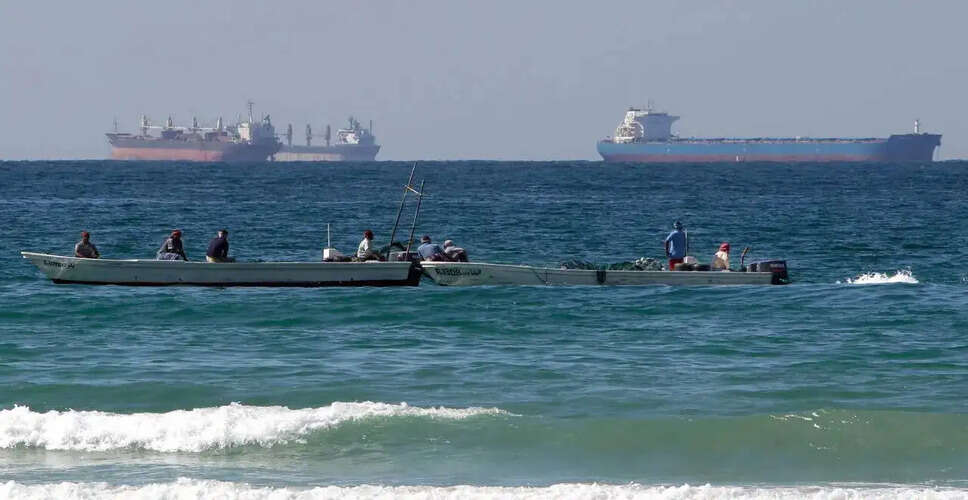
Rising Oil Prices Anticipated Following US Strikes
Oil market participants are bracing for significant price fluctuations after recent US military actions against Iran prompted the latter to shut down the Strait of Hormuz. A senior adviser from Iran's Revolutionary Guards has issued a stark warning that any foreign vessel attempting to navigate through the strait will face severe consequences. Analysts predict an immediate spike in oil prices, but the long-term outlook will hinge on whether this conflict escalates into ongoing disruptions of oil exports from the Gulf region.
Vandana Hari, CEO of the energy consultancy Vanda Insights, remarked to a news outlet that the situation appears to be evolving into a full-scale military confrontation between the US and Iran, a scenario that is unprecedented and difficult to predict. She noted that if hostilities continue for an extended period, with Iran and its allies retaliating vigorously, the oil market could face dire consequences, including significant interruptions in oil supply from the Middle East.
The Strait of Hormuz, located between Iran and Oman, is a crucial passageway for oil-producing nations in the Persian Gulf, such as Saudi Arabia, Iraq, and the UAE, connecting them to the Gulf of Oman and the Arabian Sea. According to analytics firm Kpler, approximately 13 million barrels of oil transit through this strait daily, representing about 31% of global seaborne crude shipments.
On Saturday, reports indicated that an official from the European Union's naval mission, Aspides, stated that commercial vessels had received warnings via VHF radio from Iran's Revolutionary Guards, declaring that no ships were permitted to traverse the Strait of Hormuz. However, Tehran has not officially confirmed any closure of the waterway.
Bob McNally, president of Rapidan Energy Group, characterized the recent developments as a critical situation for oil and gas markets, which heavily rely on the flow of supplies through Hormuz. He emphasized that the duration of any disruption is the key factor to watch.
Energy analysts have outlined various potential scenarios, ranging from minimal interference with Iranian oil exports to extensive assaults on regional infrastructure or even a complete halt of shipping activities. Saul Kavonic, head of energy research at MST Marquee, indicated that early signs suggest a broader attack on Iran, which could provoke counterattacks and involve multiple Gulf nations.
Markets are likely to factor in risks that could lead to a loss of up to two million barrels per day of Iranian exports, alongside potential strikes on oil facilities throughout the region. Kavonic warned that if the Iranian regime perceives an existential threat, attempts to obstruct the Strait of Hormuz could become a reality, although he noted that the US and its allies would likely deploy naval escorts to protect shipping routes.
The most severe outcomes could extend beyond Iranian oil exports. Kavonic suggested that this situation could rival the Arab oil embargo and the Iranian revolution of the 1970s, potentially driving oil prices into the triple digits and causing LNG prices to revisit the record highs seen in 2022.
As of Monday, Brent crude was priced at $77.62 per barrel, reflecting a 19% increase this year. Andy Lipow, president of Lipow Oil Associates, stated that even in the absence of direct attacks on Iranian oil facilities, the recent strikes have heightened the risk of supply disruptions. He identified the most alarming scenario as an assault on Saudi oil infrastructure, which could lead to a complete closure of the Strait of Hormuz, estimating the likelihood of such a sequence of events at about one in three, should Iran feel it has little left to lose.