
Norovirus Outbreak Affects Hikers on Pacific Crest Trail
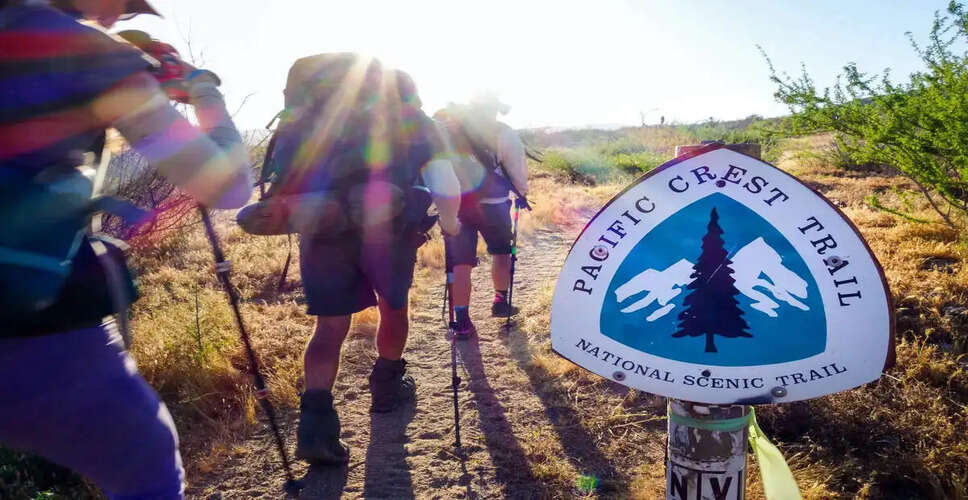

Hiker's Health Crisis on the Trail
Ron Hals, a 73-year-old hiker, embarked on his journey along the Pacific Crest Trail close to Wrightwood, California, feeling perfectly healthy. However, by the next morning, he required a helicopter rescue from the trail and was later diagnosed with norovirus at a hospital. "I've never felt so weak," Hals recounted to a local news outlet. His experience is not unique; in recent weeks, around twenty hikers on that same trail have reported similar health issues, with at least seven confirmed cases of norovirus.
Understanding Norovirus and Its Transmission
What is Norovirus?
Norovirus is a highly infectious virus that leads to severe vomiting and diarrhea, as explained by health experts. It spreads easily through close contact with infected individuals, touching contaminated surfaces, or consuming tainted food and water. On a busy hiking trail where water sources and resting areas are shared, the risk of transmission is significantly heightened. Currently, there is no specific treatment for norovirus; the focus is on hydration and rest until recovery.
Possible Source of the Outbreak
Where Did It Originate?
While the exact source of the outbreak remains unverified, some cases seem linked to a water cache left by volunteers in Swarthout Valley, intended to assist hikers. Following this discovery, those water containers have been replaced with sealed bottles to prevent further contamination.
Trail Conditions and Health Advisory
Authorities Respond
The Pacific Crest Trail Association has acknowledged the situation via a social media statement, confirming awareness of gastrointestinal illness reports in the Wrightwood region. They are collaborating with the local health department to investigate the matter further and will provide updates as they become available. The health department reported one confirmed case of norovirus on May 18 but stated that there was no evidence of an unusual cluster of cases beyond typical expectations for the area. They will continue to monitor the situation closely.
Precautions for Hikers
Advice for Hikers
For those planning to hike the Pacific Crest Trail near Wrightwood soon, it is crucial to be cautious about water consumption, especially from unverified sources. Carrying sealed or filtered water, practicing good hand hygiene, and avoiding close contact with anyone exhibiting symptoms are effective strategies to minimize the risk of contracting the illness while on the trail.